How a Modular Data Center Solves IT Infrastructure Delays
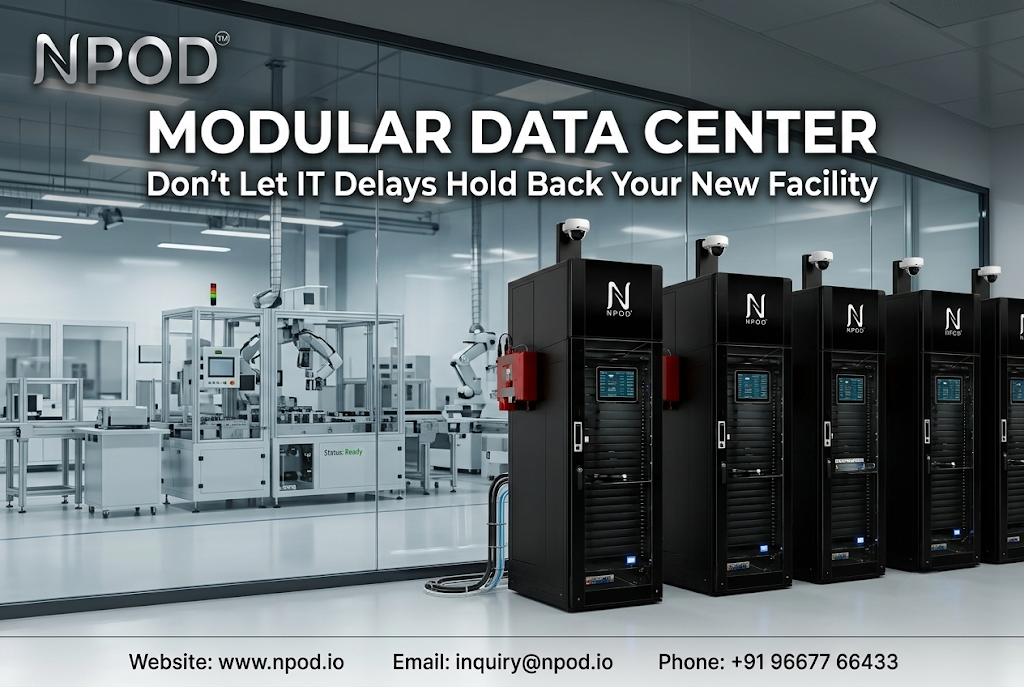
A manufacturing facility can be ready for production while its IT infrastructure is still under preparation. Delayed server room construction, separate power arrangements and multiple installation teams can hold up the entire project. A modular data center helps address this problem by bringing essential IT infrastructure components into an integrated deployment model. Instead of building every part separately, businesses can plan power, cooling, security and IT racks as one coordinated solution. This approach helps reduce installation complexity and makes IT infrastructure deployment easier to manage.
Why Does IT Infrastructure Delay New Facility Operations?
Setting up IT infrastructure inside a new manufacturing facility involves more than installing servers. The business also needs a suitable environment to house and operate its IT equipment.
Several activities must be completed before the infrastructure becomes operational:
- Server room preparation: The facility needs an appropriate space with suitable layout and infrastructure provisions.
- Power installation: IT equipment requires a reliable power supply and suitable backup arrangements.
- Cooling setup: Servers and networking equipment need controlled operating conditions.
- Security arrangements: Access control and fire protection must be considered.
- System integration: Different infrastructure components must work together as a complete environment.
When these activities are handled separately, project teams may face coordination issues. A delay in one area can affect the next installation stage.
For a manufacturing business preparing to begin production, this creates an important challenge: the physical facility may be operationally ready but the IT systems needed to support its activities are not.
Why Traditional Server Room Preparation Can Become a Bottleneck
A traditional server room often requires separate planning and installation for its supporting infrastructure.
For example, one team may handle electrical work while another manages cooling equipment. IT teams then need to coordinate rack installation, networking and system integration.
This arrangement can create three practical difficulties.
1. Multiple Installation Dependencies
Different contractors and teams need to complete their work in the correct order. If electrical or cooling arrangements are not ready, IT equipment installation may need to wait.
2. Separate Infrastructure Planning
Power, cooling, monitoring and security may be planned as individual systems. This increases the work required to coordinate them during deployment.
3. Limited Preparation for IT Requirements
If the server room layout is not planned around actual IT requirements, the business may need additional changes before equipment installation can proceed.
These challenges do not affect every project in the same way. However, they show why infrastructure planning should begin alongside facility development rather than after construction is complete.
How a Modular Data Center Addresses This Deployment Problem
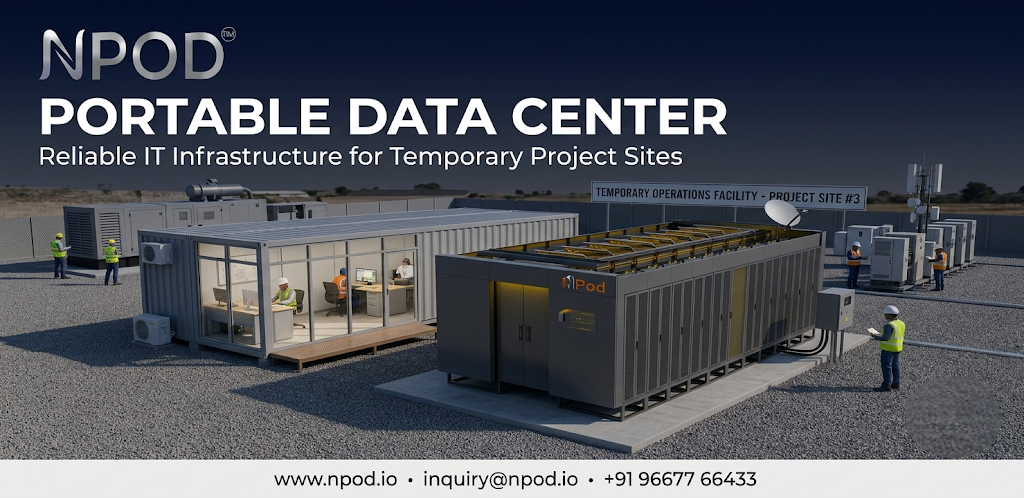
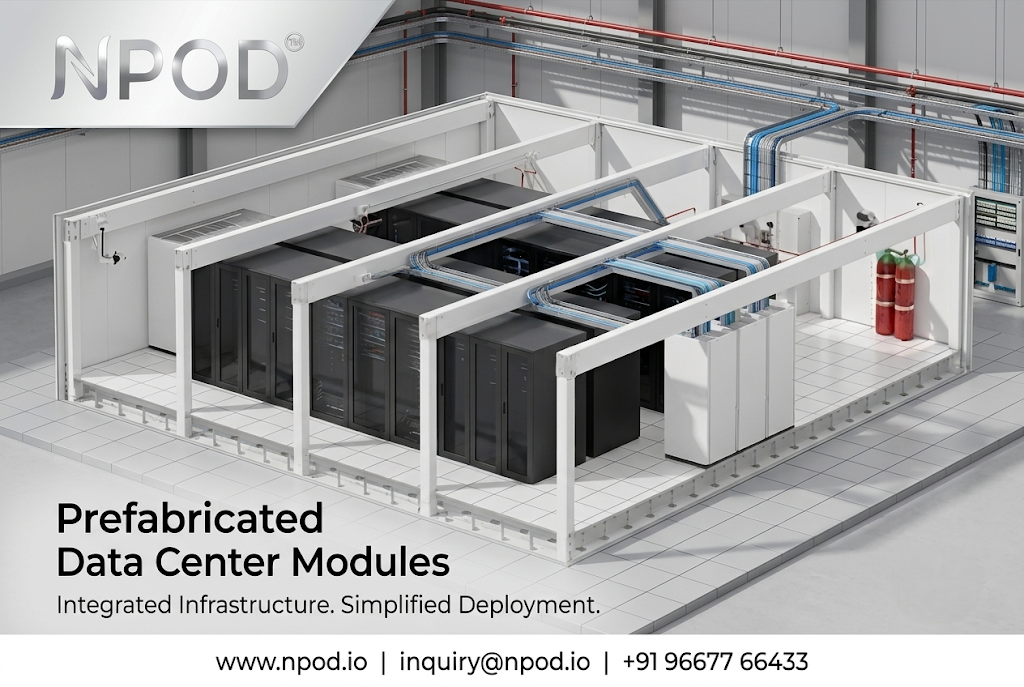
A modular data center uses an integrated approach to IT infrastructure. Instead of treating every supporting system as a separate installation project, the solution brings essential components together within a planned environment.
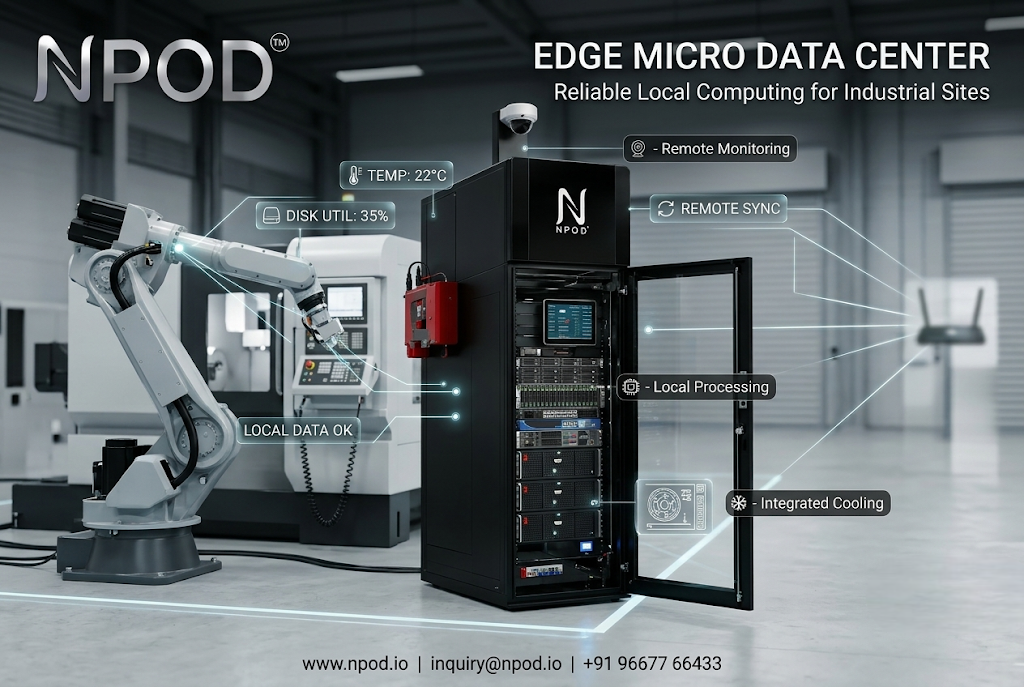
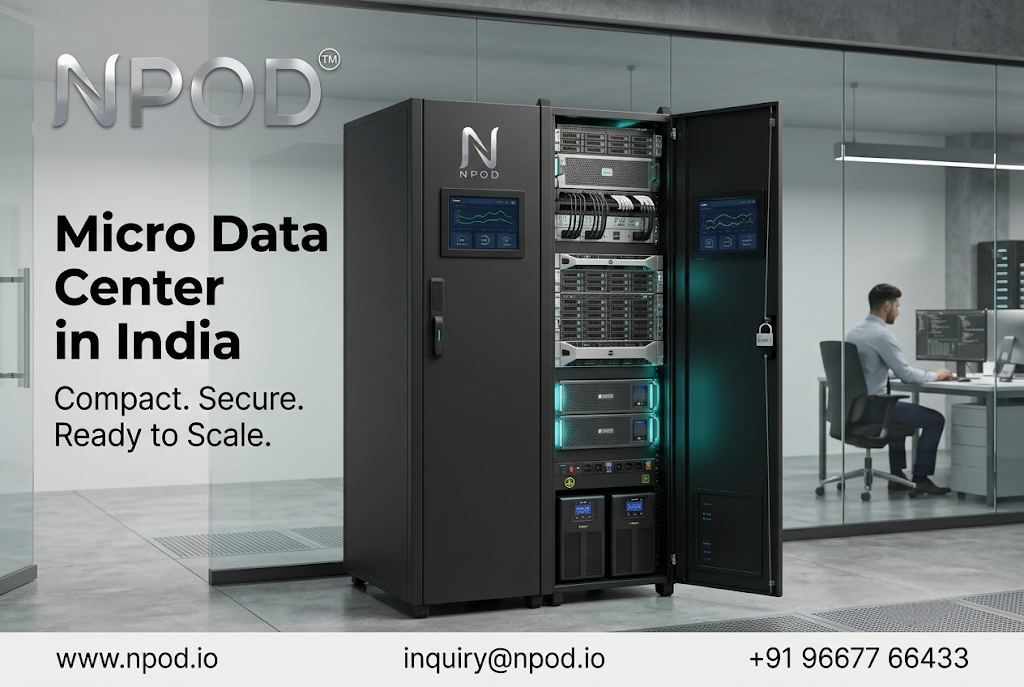
Depending on the selected design, this can include:
- IT racks for hosting servers and networking equipment.
- Integrated UPS systems for backup power.
- Precision cooling to maintain suitable operating conditions.
- Intelligent monitoring for infrastructure visibility.
- Security and fire protection systems.
The main advantage is coordination. These components can be planned to work together before deployment begins.
For a new manufacturing facility, this means the IT team can define infrastructure requirements earlier and coordinate installation with the wider facility project.
A modular design can also reduce dependence on building a complete traditional server room from the ground up. The actual deployment time will depend on site readiness, infrastructure capacity and project requirements.
What Should You Prepare Before Deploying a Modular Data Center?
Choosing an integrated solution does not remove the need for proper planning. Businesses should confirm a few important details before deployment.
Define the IT Workload
Identify the servers, networking equipment, storage systems and applications that the facility will use. This helps determine the required rack space and infrastructure capacity.
Check Power Requirements
Calculate the expected IT load and identify the required power supply and backup arrangements. The UPS configuration should match the planned workload.
Assess the Installation Space
Confirm the available space, access routes and site conditions. The installation area should support equipment placement and maintenance activities.
Plan Cooling and Protection
Select a cooling arrangement based on the IT load and installation environment. Also consider access control, surveillance and fire protection requirements.
Coordinate With the Facility Project
Include the IT infrastructure team during facility planning. This allows electrical provisions, installation space and other site requirements to be addressed before deployment.
A Practical Example: Preparing IT Infrastructure for a New Manufacturing Facility
Consider a company setting up a new manufacturing plant. Its production equipment has been installed and the facility is approaching its planned operational date.
However, the server room is not ready. Electrical arrangements, cooling installation and IT rack preparation are still being coordinated.
The company now faces a gap between production readiness and IT readiness.
With a modular deployment approach, the company can plan its IT requirements as one integrated infrastructure project. Power, cooling, racks, monitoring and protection can be selected and coordinated according to the facility's needs.
This does not eliminate every site preparation task. It does, however, provide a more organized way to plan the infrastructure and reduce separate installation dependencies.
The key is to involve the IT infrastructure team early rather than waiting until the manufacturing facility is nearly complete.
Conclusion: Get IT Infrastructure Ready Before Operations Begin
A new manufacturing facility should not have to wait for its IT environment because infrastructure planning started too late. Separate installation activities and poor coordination can create avoidable deployment challenges.
A modular data center offers a more integrated way to prepare the required IT environment. By planning power, cooling, security and IT racks together, businesses can make infrastructure deployment easier to coordinate.
If your organization is planning a new facility or preparing for an IT infrastructure project, explore NPOD's modular data center solutions to understand the available deployment options.
Frequently Asked Questions
1. Can a modular data center be used in a new manufacturing facility?
Yes. It can provide an integrated IT environment for servers, networking equipment and supporting infrastructure at a manufacturing site.
2. Does a modular data center include power and cooling systems?
An integrated modular solution can include UPS and precision cooling along with IT racks, monitoring and protection systems. The exact configuration depends on project requirements.
3. What should businesses check before modular data center installation?
Businesses should assess IT workload, power capacity, cooling requirements, installation space and security needs before finalizing the design.
About the author
- NPOD provides Edge Data Center solutions with power, cooling, monitoring, and protection for scalable distributed IT infrastructure across multiple locations.
Comments
Join the discussionNo comments yet. Be the first to comment.