How Modular Data Center Design Simplifies Infrastructure Deployment
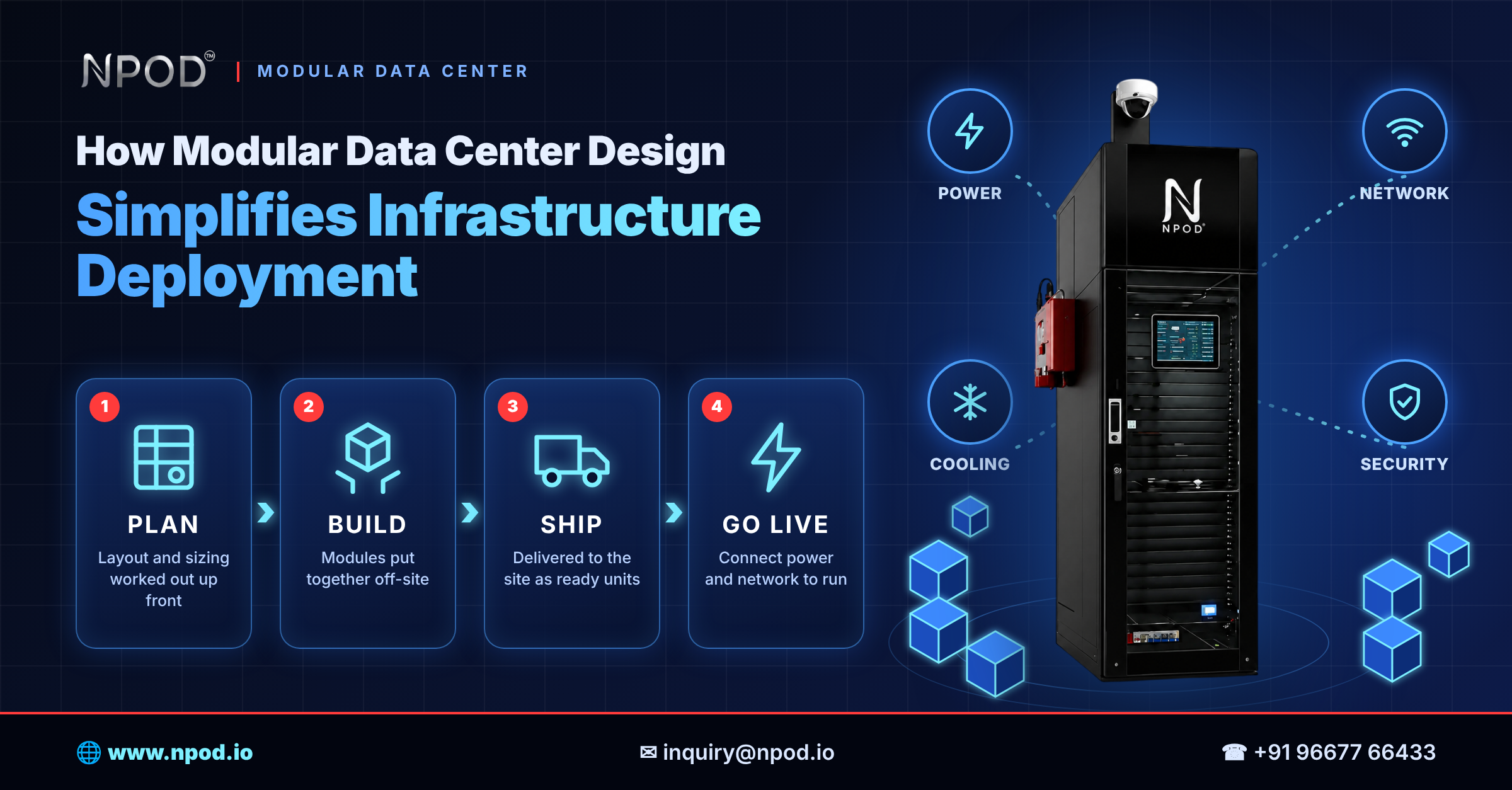
Deploying IT infrastructure involves more than installing server racks and connecting equipment. Businesses must coordinate power systems, cooling, physical security, fire protection and monitoring before their infrastructure can operate reliably. A modular data center simplifies this process by bringing essential systems together in a pre-engineered environment. Instead of planning every component as a separate installation, organizations can consider integrated modular data center solutions that combine critical infrastructure into one coordinated design.
Why Traditional Infrastructure Deployment Becomes Complex
A data center project involves several systems that must work together. When these systems are planned and sourced separately, coordination can become difficult.
Three common challenges can affect deployment.
1. Coordinating Multiple Equipment Vendors
A business may need separate suppliers for server racks, UPS systems, cooling equipment, fire protection and monitoring tools. Each supplier may follow a different delivery schedule and installation process.
This creates additional work for project managers. They must coordinate equipment deliveries, technical requirements and installation teams. A delay in one component can also affect other activities.
An integrated approach helps bring these requirements into a shared infrastructure plan.
2. Managing Equipment Compatibility
Infrastructure components cannot be selected only by looking at their individual specifications. They must also work together within the planned environment.
For example, rack placement affects airflow. Cooling capacity must match the expected heat load. Power distribution must support the connected IT equipment.
If these requirements are considered at different stages, businesses may need design changes or additional installation work.
3. Planning Installation Activities
Traditional projects may involve several construction and installation activities at the site. These can include preparing the room, arranging electrical connections, installing cooling equipment and setting up monitoring systems.
When every activity depends on separate teams, scheduling becomes more demanding.
Planning the infrastructure as one coordinated solution can make responsibilities and installation requirements clearer.
How Modular Data Center Design Changes the Deployment Process
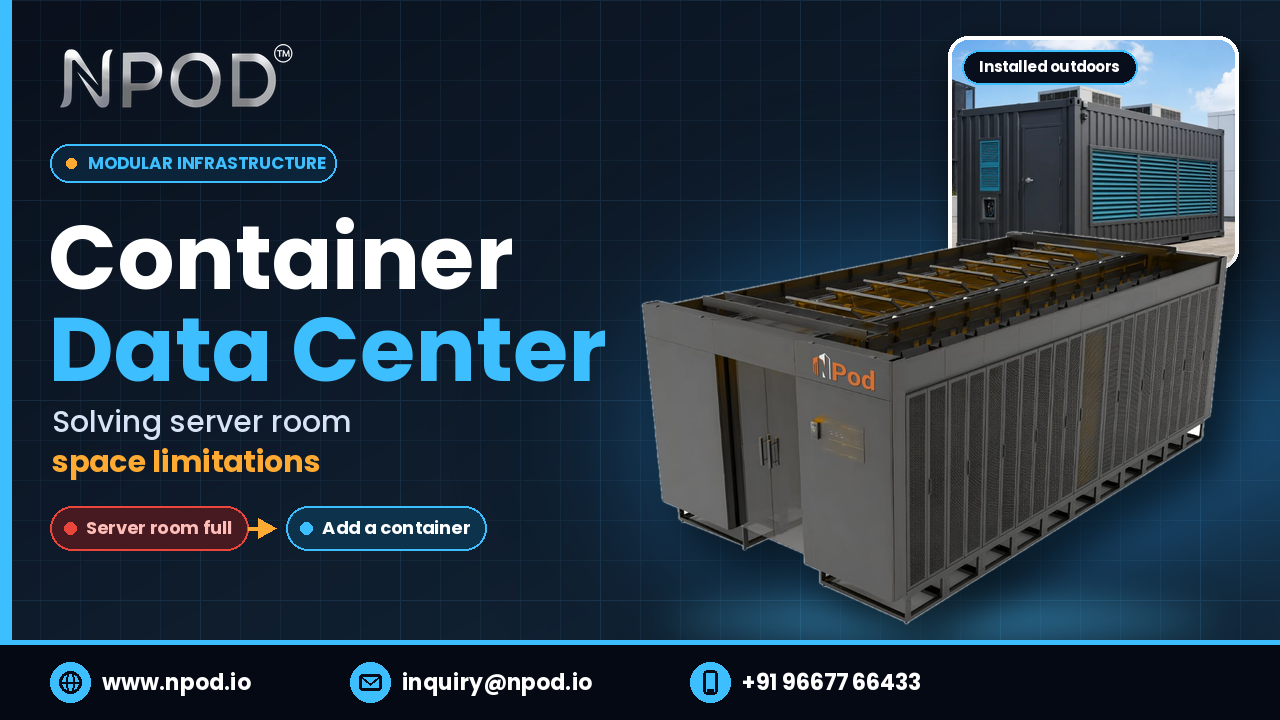
A modular data center uses a planned configuration to bring essential infrastructure components together. Depending on the design, it can combine IT racks, power backup, cooling, monitoring and security within one integrated environment.
This changes the way organizations approach infrastructure deployment.
Rather than treating every system as an independent project, businesses can evaluate the complete configuration before installation begins.
Pre-Engineered Infrastructure Components
Pre-engineered solutions allow important infrastructure requirements to be considered during the design stage.
Rack capacity, equipment placement, cable management and system connections can be planned together. This gives installation teams a clearer understanding of how the different components fit into the final environment.
It also helps reduce avoidable changes caused by planning each component separately.
However, pre-engineered does not mean that every solution fits every site. Businesses still need to review site conditions, electrical requirements and operational needs before selecting a configuration.
Integrated Power and Cooling Systems
Power and cooling are closely connected in any IT environment.
Servers and networking equipment need a stable power supply. They also generate heat that must be managed to maintain suitable operating conditions.
An integrated design considers these requirements together. UPS systems support power continuity while precision cooling helps maintain the required temperature inside the infrastructure enclosure.
Planning both systems as part of the same configuration helps avoid mismatches between equipment capacity and operational requirements.
Built-In Security and Monitoring
Infrastructure protection also needs attention before deployment.
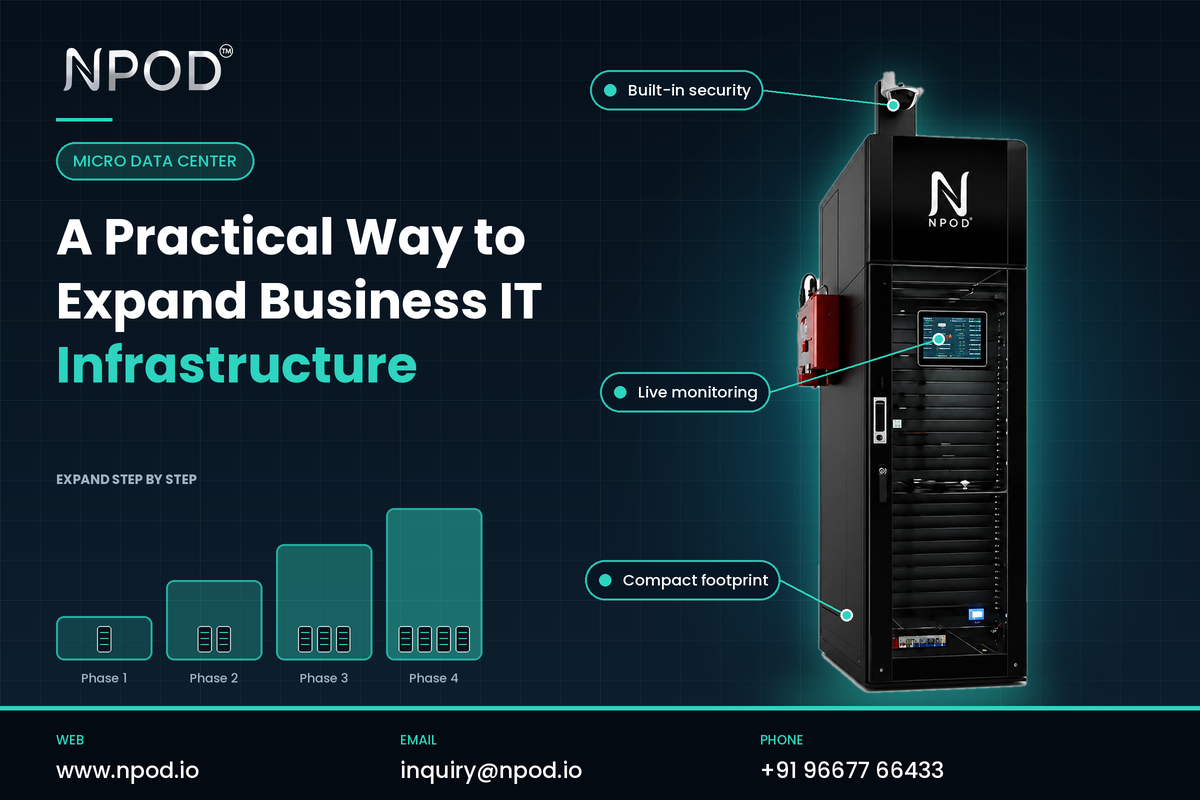
Physical access control helps restrict access to critical equipment. Fire protection systems provide another layer of protection for the installed environment.
Monitoring tools can provide visibility into important operating conditions such as temperature, power and system status. This information helps technical teams identify abnormal conditions and investigate them.
Including these requirements in the initial design avoids treating security and monitoring as separate additions at the end of a project.
What Should Businesses Plan Before Deployment?
Selecting an integrated solution is only one part of the process. Businesses should define their infrastructure requirements before finalizing a configuration.
1. IT equipment requirements: Identify the servers, storage devices and networking equipment that need to be installed. Estimate current rack requirements and possible future additions.
2. Power capacity: Review the expected electrical load and determine the required UPS capacity and power distribution arrangement.
3. Cooling requirements: Consider equipment heat output, rack density and airflow requirements. Cooling should match the actual workload rather than relying on a general estimate.
4. Site conditions: Check available space, electrical connections, access routes and environmental conditions at the proposed installation location.
5. Security and monitoring: Decide which access controls, fire protection measures and monitoring functions are required for the operating environment.
These details help businesses select a suitable configuration and reduce uncertainty during deployment.
Where Modular Infrastructure Can Simplify Deployment
Different organizations have different infrastructure requirements.
Enterprise IT teams may use modular solutions when expanding server capacity without developing an entirely new infrastructure room.
Manufacturing facilities may need dedicated IT environments close to production systems and operational equipment.
Branch offices and remote locations may require compact infrastructure where building a conventional server room is not practical.
In each case, the configuration should reflect the site's workload, available utilities and support requirements.
Making Infrastructure Deployment More Predictable
A successful deployment depends on proper planning and coordination. Integrating critical systems into a modular design can make equipment relationships easier to understand and installation responsibilities clearer.
It does not remove the need for site preparation, technical checks or qualified installation teams. Instead, it provides a more coordinated foundation for completing those activities.
Businesses evaluating new infrastructure should look beyond rack capacity alone. They should review how power, cooling, protection and monitoring work together throughout the operating lifecycle.
Conclusion: Plan the Complete Infrastructure Before Installation
Data center deployment becomes more manageable when essential systems are considered together rather than treated as unrelated installations.
A modular design provides a structured way to coordinate IT equipment, power backup, cooling, security and monitoring. The right configuration depends on the workload, site conditions and future requirements of the organization.
If your business is planning a new IT environment or expanding an existing facility, explore NPOD's modular data center solutions to understand how an integrated infrastructure approach can support your deployment requirements.
Frequently Asked Questions
1. What is a modular data center and how does it work?
A modular data center is an integrated IT infrastructure solution that combines equipment such as server racks, power systems, cooling and security within a planned configuration. It allows organizations to deploy infrastructure without designing every component as a separate installation.
2. How does modular design simplify data center installation?
It brings important infrastructure requirements into one coordinated design. This helps teams plan equipment placement, power connections, cooling and protection before installation begins.
3. Which components are integrated into a modular data center?
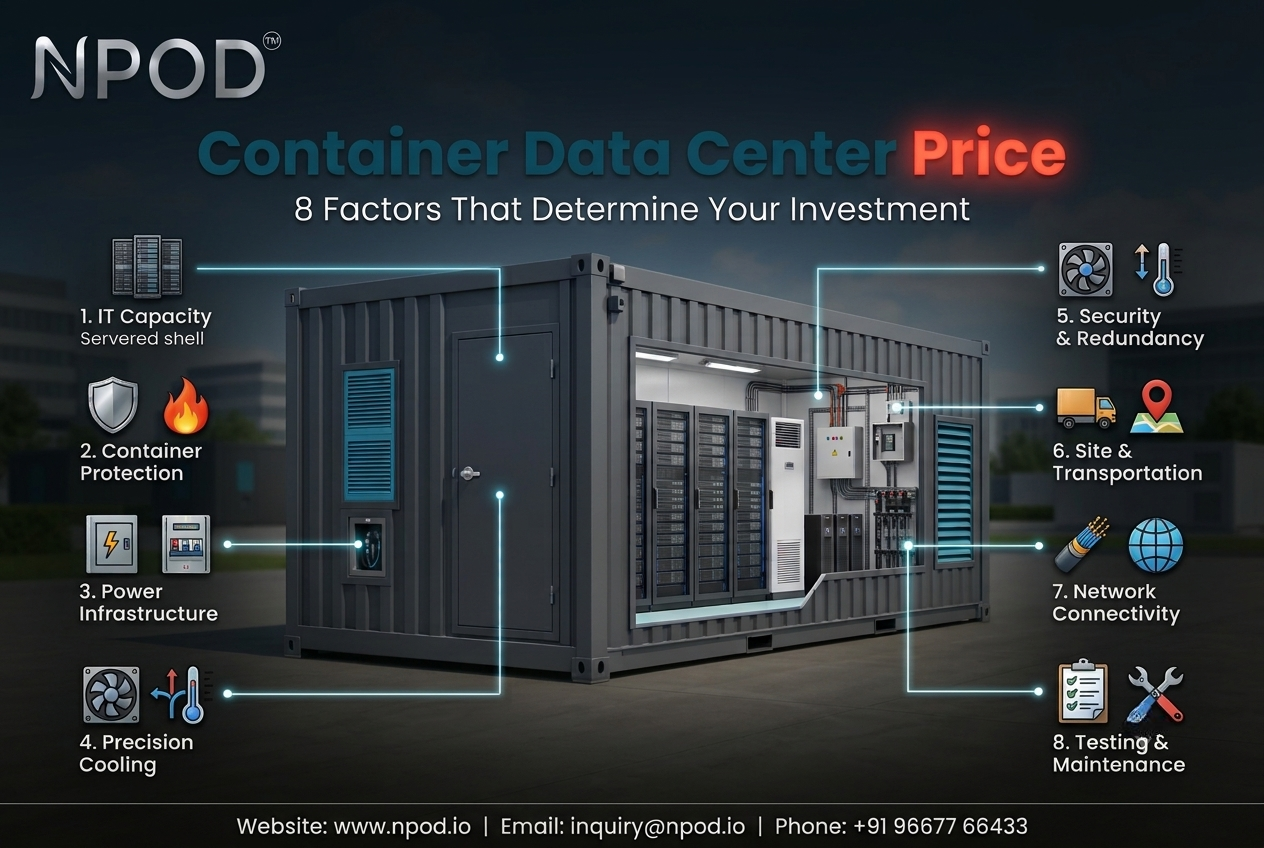
Depending on the configuration, components can include IT racks, UPS systems, precision cooling, power distribution, fire protection, physical access control and infrastructure monitoring.
About the author
- NPOD provides Edge Data Center solutions with power, cooling, monitoring, and protection for scalable distributed IT infrastructure across multiple locations.
Comments
Join the discussionNo comments yet. Be the first to comment.