Could a Containerized Data Center Fit Your Site?
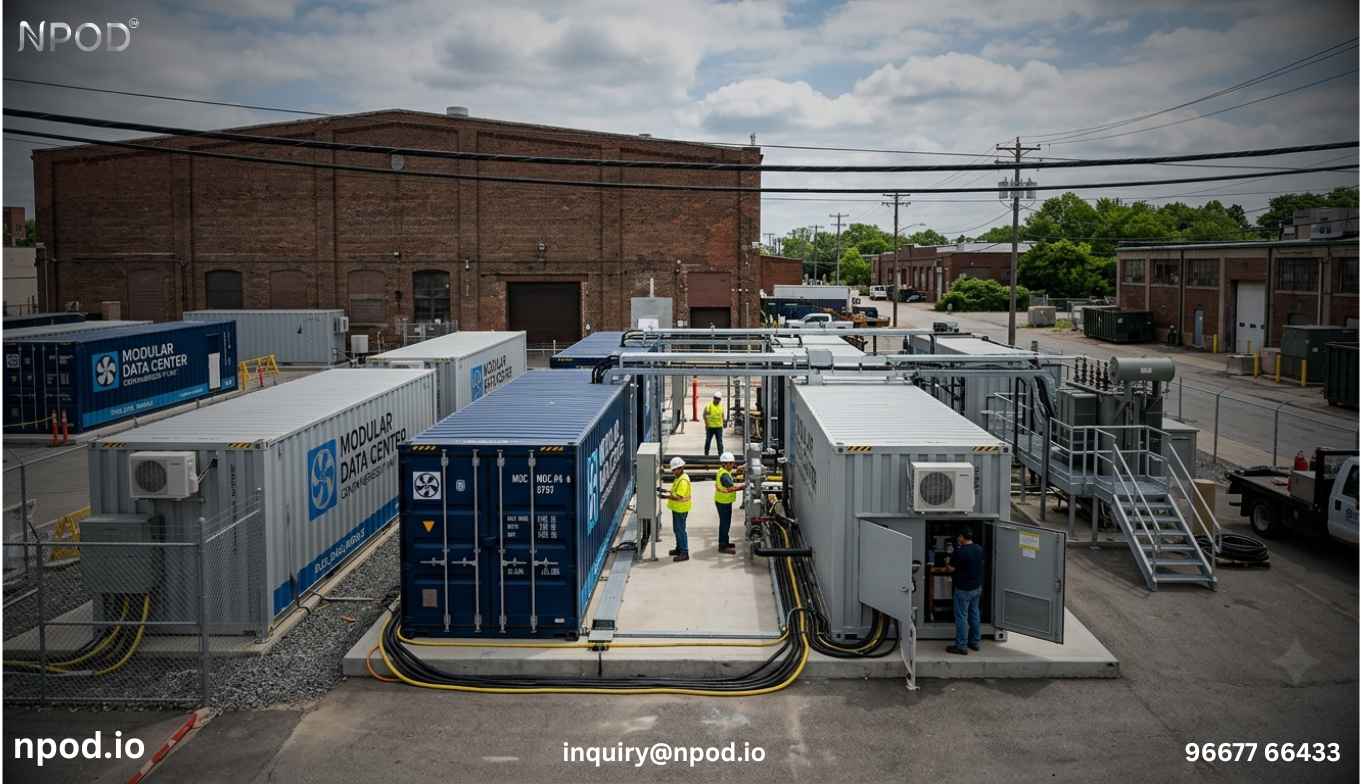
A factory is adding new production equipment. A telecom company needs computing capacity at a remote site. An organization needs servers closer to where its data is being generated. In each case, the same problem can come up: where should the IT infrastructure go?
Building a separate data center may take more space, money, and site work than the project allows. Putting servers into an ordinary room may not provide the power, cooling, security, or environmental protection they need.
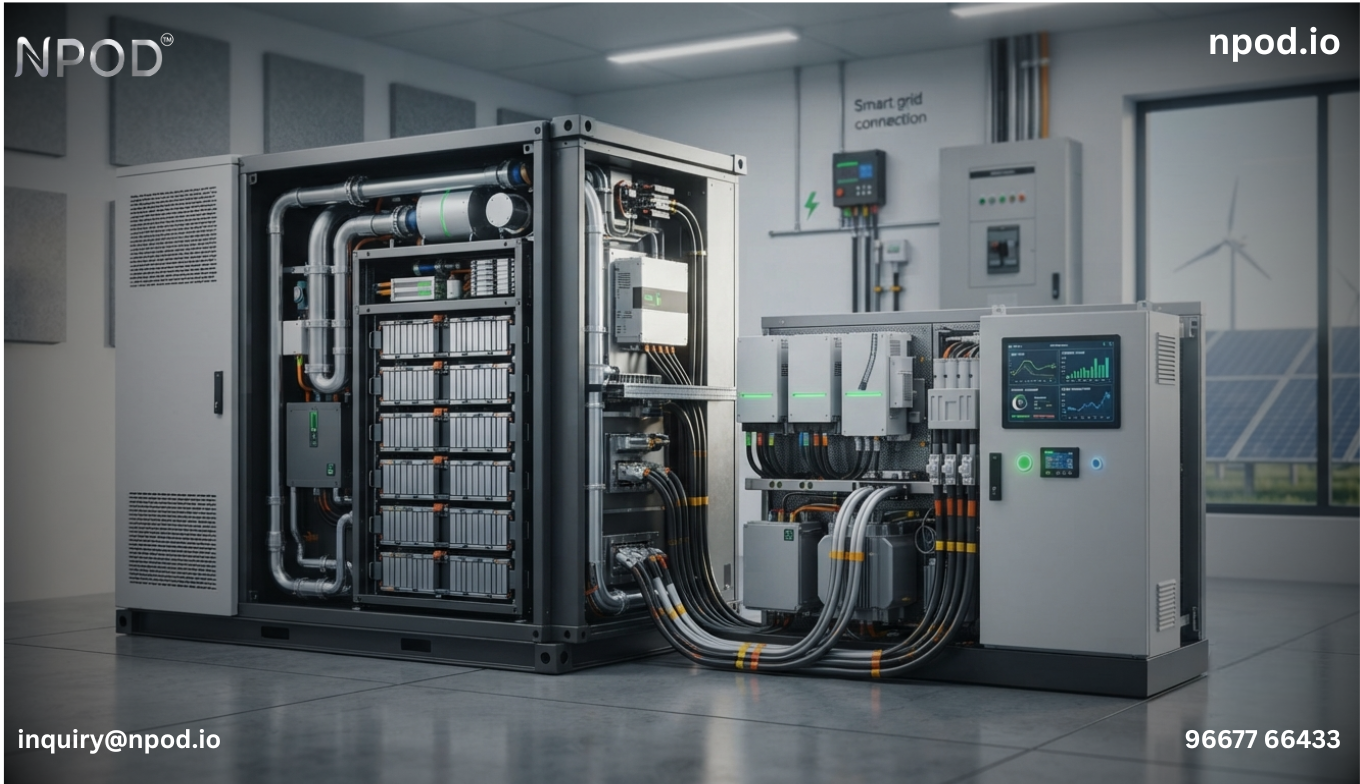
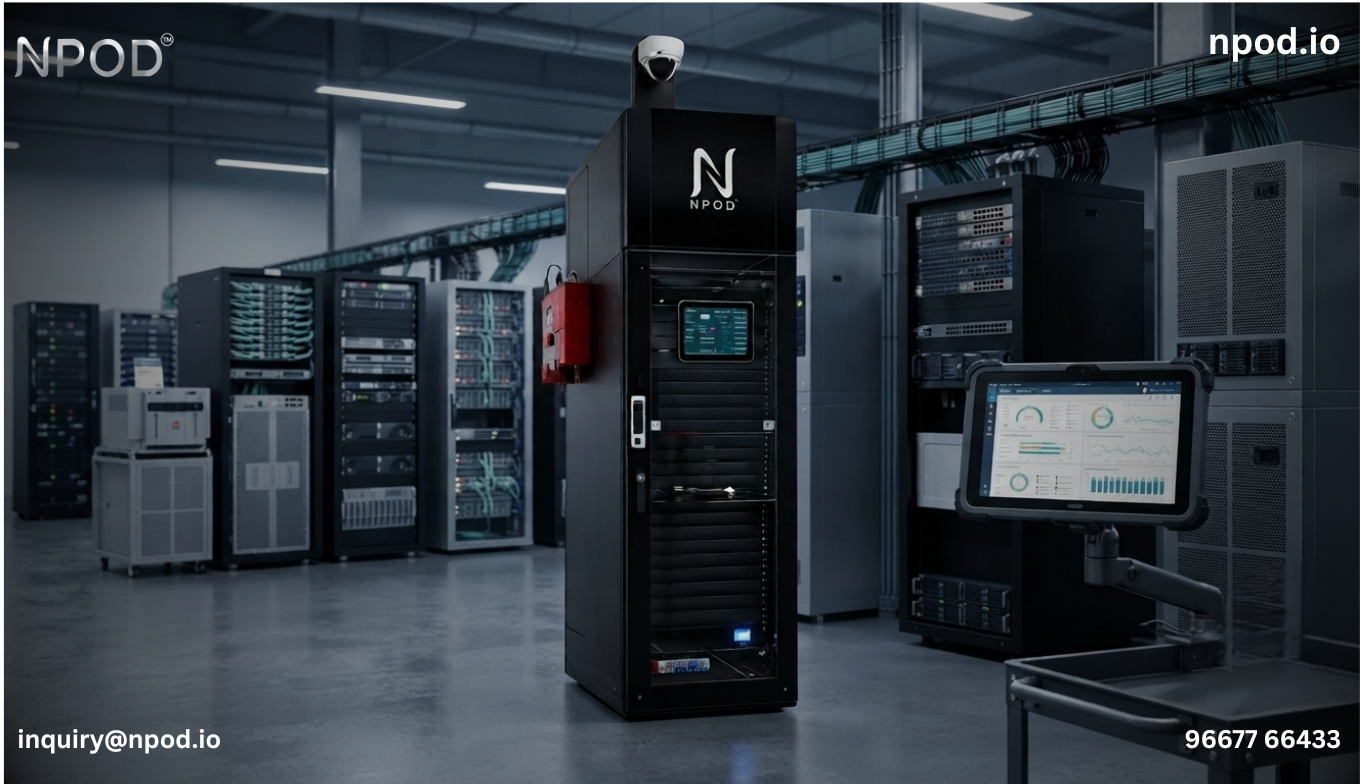
A modular data center container offers another option. It can bring racks, power, cooling, monitoring, and other infrastructure together inside a purpose-built enclosure. Whether it is the right choice depends on the site and the workload.
What Is a Containerized Data Center?
A containerized data center is a data center environment built inside a modified container structure. Instead of creating a complete building for IT equipment, essential infrastructure is installed within a controlled enclosure.
Depending on the project, it can include:
IT racks and servers
Power distribution
UPS systems
Cooling
Fire protection
Physical security
Environmental monitoring
Network equipment
There is an important difference between a purpose-built data center container and simply placing servers inside a shipping container. A proper solution needs to account for heat, electrical loads, equipment protection, environmental conditions, access, and day-to-day operation.
When Does a Modular Data Center Container Make Sense?
The container format can be useful in situations where a conventional server room or dedicated facility is difficult to build.
Remote Sites
Mining, energy, telecom, infrastructure, and other remote operations may need local computing resources without having a permanent data center building nearby.
Manufacturing Facilities
Factories often have valuable floor space reserved for production. A containerized setup can provide dedicated IT infrastructure without taking up space inside the main building.
Edge Computing
Some applications need computing closer to users, machines, sensors, or other data sources. A small data center deployed at the required location can reduce the need to send every workload to a distant central facility.
Space-Constrained Sites
When there is limited room for construction, a container can provide a defined footprint for IT infrastructure. Local building, zoning, electrical, and safety requirements still need to be checked before installation.
What Should the Container Include?
The enclosure is only one part of the solution. The equipment inside needs to match the site's requirements.
Power: Check the expected IT load, electrical capacity, UPS backup, distribution, and redundancy requirements.
Cooling: Cooling capacity should be based on the actual heat produced by the servers and other equipment. High-density racks may require a different approach from standard IT loads.
Security: Access control, locks, surveillance, and environmental alarms can help protect equipment, particularly at unattended or remote sites.
Fire protection: Detection and suppression should be selected according to the equipment, enclosure, and applicable requirements.
Monitoring: Temperature, humidity, power conditions, alarms, and equipment status should be monitored so problems can be identified quickly.
Networking: Connectivity, bandwidth, network equipment, and backup connections should be considered before deployment.
How Much Does a Containerized Data Center Cost?
There is no standard price for a containerized data center. The final cost depends on what needs to be installed and the conditions at the site.
Modular data center cost can be affected by:
Number of racks
IT equipment and capacity
Power requirements
UPS capacity
Cooling system
Redundancy
Fire protection
Security and monitoring
Site preparation
Transportation and installation
Future expansion requirements
For example, a small installation with basic power and cooling will have very different requirements from a high-density deployment with redundant power and cooling.
That is why comparing solutions only by the price of the container can be misleading. The complete infrastructure and installation requirements matter more when calculating the project cost.
Containerized or Traditional Data Center: Which Fits the Project?
There is no single format that works for every site. A few practical questions can make the decision easier.
Is space limited?
If there is little room for construction, a containerized setup may be worth considering. A traditional facility becomes more practical when the project has sufficient land and requires a larger permanent footprint.
Does IT need to be close to the operation?
For factories, telecom sites, remote facilities, and edge deployments, placing computing resources close to the operation can be useful. A containerized design can provide that local infrastructure without building a separate facility.
Will capacity increase later?
If the IT requirement is expected to grow, check the expansion options before choosing the initial configuration. Additional racks, power, cooling, or modules may need to be accommodated later.
Is the site difficult to work on?
Remote or industrial sites can have different access, weather, dust, temperature, and installation conditions. These factors should be included in the design instead of being addressed after the equipment arrives.
Does the project need an integrated solution?
A container that provides physical space is not the same as a complete data center system. Power, cooling, security, monitoring, fire protection, and IT space should be considered together.
What About Cooling for High-Density Computing?
Putting a large amount of computing equipment into a small space can create a significant heat load.
Before selecting the cooling system, calculate the expected rack density and IT load. Airflow, server configuration, ambient temperature, and the site's operating conditions can all affect cooling requirements.
This becomes especially important for GPU servers and other high-density equipment. The cooling design should be decided alongside the IT configuration rather than treated as an afterthought.
What Should You Check Before Choosing a Provider?
Before selecting a provider, look beyond the physical container. Ask how the complete system will work at your site.
Check:
Whether the design can be customized
How power and cooling requirements are calculated
Available redundancy options
Protection against local environmental conditions
Monitoring and alarm capabilities
Fire protection arrangements
Physical security
Testing and commissioning
Expansion options
Installation and maintenance support
The provider should be able to explain how the proposed configuration matches your actual site and workload.
How NPOD Fits Into Containerized Deployments
NPOD provides containerized and modular data center solutions that bring key infrastructure components together for different deployment requirements. Its container data center solution can be considered for projects that need a dedicated IT environment without building a conventional data center facility.
Conclusion
A containerized data center can make sense when the site has limited space, needs local computing capacity, or makes conventional construction difficult. Remote facilities, manufacturing sites, telecom deployments, and edge locations are some situations where this approach may be considered.
The important part is to evaluate the whole setup—not just the container. Power, cooling, security, monitoring, fire protection, site conditions, IT capacity, and future expansion all affect whether the solution will work well.
FAQs
What is a modular data center container?
It is a container-based data center environment that can house IT racks along with power, cooling, monitoring, security, and other supporting infrastructure.
Is a containerized data center suitable for remote locations?
It can be suitable when a remote site needs local IT infrastructure and building a conventional data center is impractical.
How much does a data center container cost?
The cost depends on IT capacity, power, cooling, redundancy, security, monitoring, site preparation, transportation, installation, and other project requirements.
Can a containerized data center support high-density workloads?
Yes. However, the power and cooling systems need to be designed for the expected rack density and heat output.
Can a containerized data center be expanded later?
Some configurations can be expanded, but this needs to be considered during the initial design. Available space, power, cooling, and additional modules may affect future expansion.
What should businesses check before buying one?
Review the complete solution, including power, UPS, cooling, security, fire protection, monitoring, environmental protection, installation, maintenance, and expansion options.