What Actually Makes a Modular Data Center “Modular”?
A modular data center is often described as a faster or more compact alternative to a traditional data center. That description is not wrong, but it misses the more important point.
The real difference is how the infrastructure is designed.
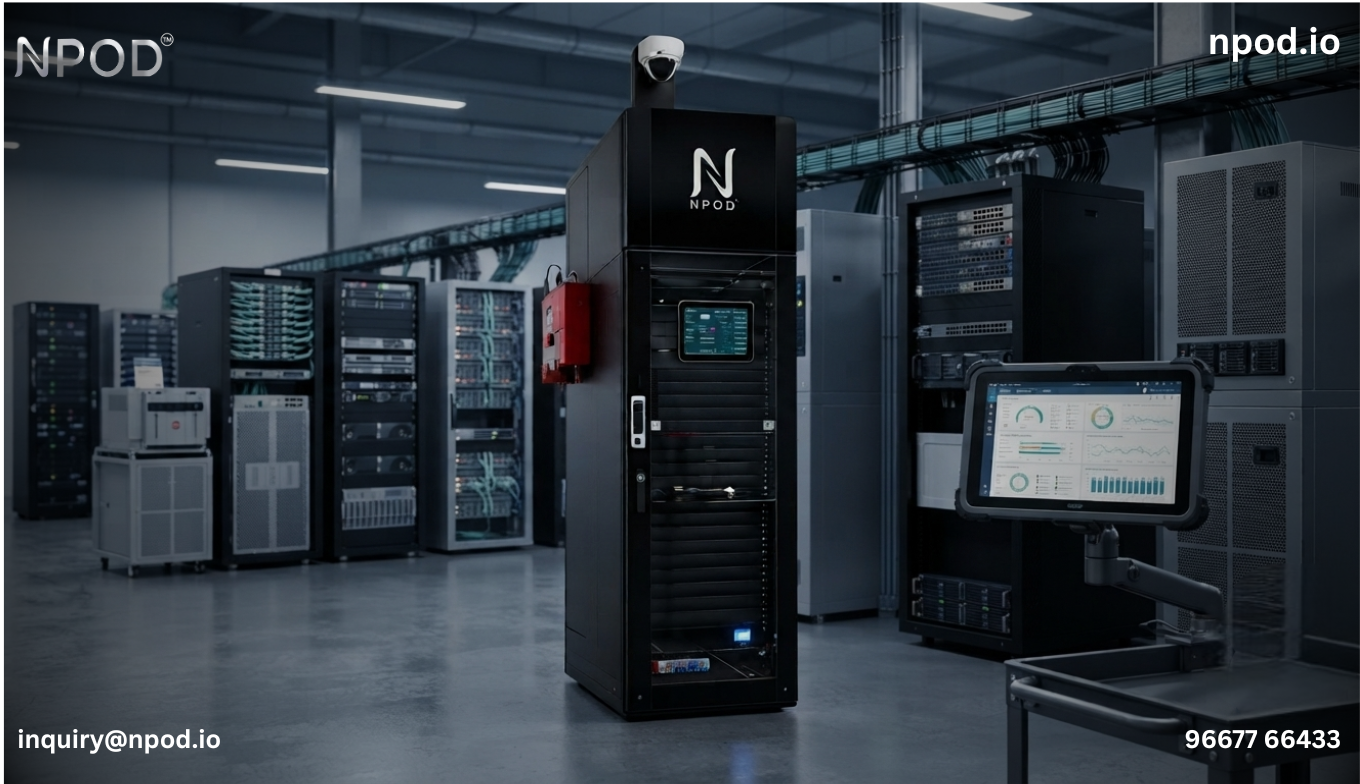
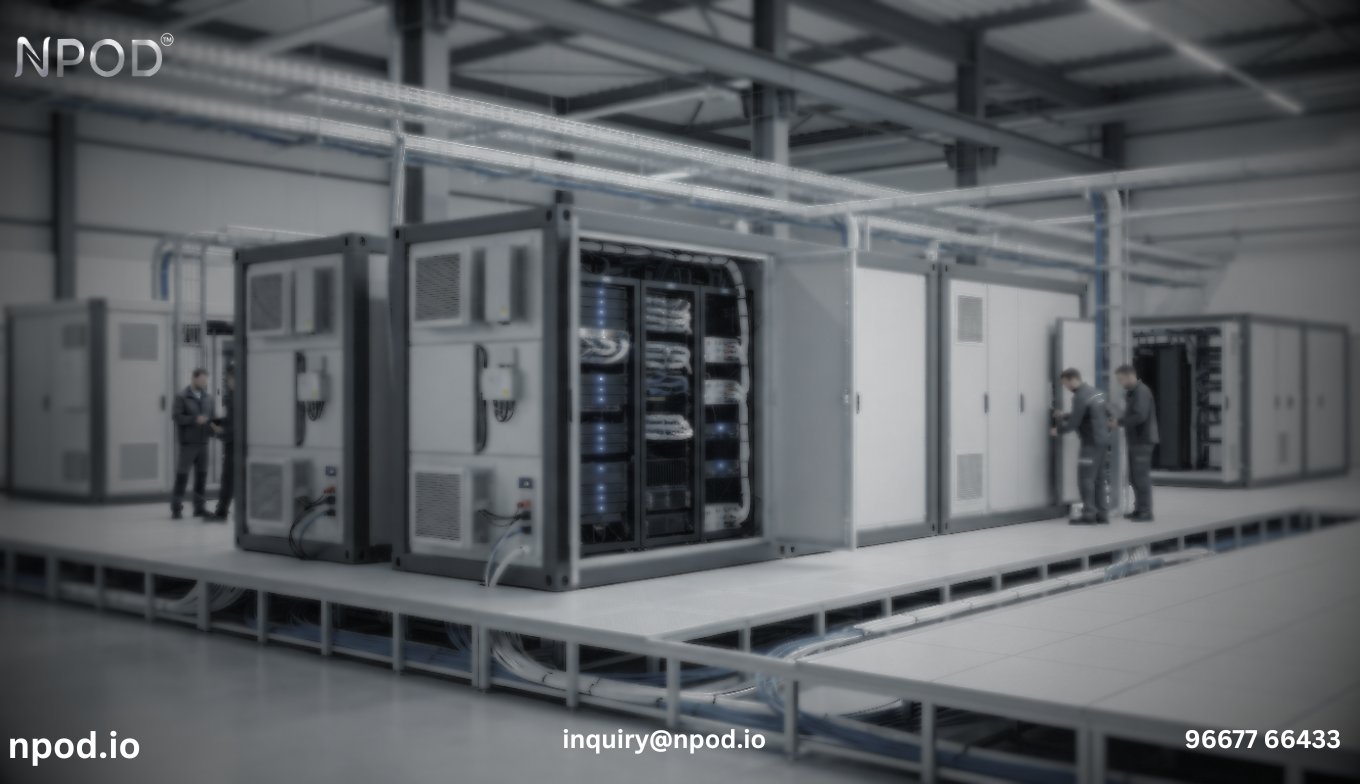
Instead of treating the facility as one large construction project, a modular data center brings critical systems together in an engineered, repeatable configuration. Power, cooling, IT racks, monitoring, physical security, and fire protection can be designed as part of an integrated infrastructure environment.
That approach changes how organizations can plan, deploy, operate, and expand IT infrastructure.
Modular Does Not Simply Mean Smaller
A modular data center is not necessarily a small data center.
The term “modular” refers more to the architecture and delivery approach than the physical size of the facility. A modular deployment can be configured according to the organization's workload, available site, power requirements, cooling needs, and operational environment.
A conventional facility may require different systems to be designed and coordinated across a larger construction project. With a prefabricated or modular approach, many of those infrastructure elements can be engineered as a coordinated solution before deployment.
The result is a data center environment designed around specific infrastructure requirements rather than a generic room filled with IT equipment.
The Building Blocks Behind a Modular Data Center
The easiest way to understand modular infrastructure is to look at the systems that have to work together.
A typical modular architecture can incorporate:
IT racks and equipment space
Power distribution
UPS systems
Cooling infrastructure
Airflow management
Environmental monitoring
Data center infrastructure monitoring
Physical access controls
Fire detection and protection
These components cannot be planned in isolation.
For example, adding more servers affects rack capacity and power consumption. Higher IT loads also increase heat generation, which affects cooling requirements. More equipment can increase the importance of environmental monitoring and infrastructure visibility.
The modular approach brings these relationships into the design process.
Power Has to Follow the IT Load
One of the most important considerations in any data center is power.
IT equipment needs a reliable electrical supply, but infrastructure planning goes beyond simply determining how many servers will be installed. Organizations also need to consider power distribution, UPS capacity, equipment requirements, and potential changes in workload.
This is where capacity planning becomes important.
If a deployment is designed only around today's IT requirements, future expansion can create constraints. If it is significantly oversized from the beginning, organizations may be paying for infrastructure they do not immediately need.
A well-planned modular data center can be configured around the expected IT load while allowing the organization to consider future infrastructure requirements.
Cooling Is Part of the Architecture
Every server and networking device contributes to the thermal load inside a data center.
That means cooling cannot be treated as an unrelated facility service. It has to correspond with the amount and type of IT equipment being deployed.
Rack density, equipment configuration, airflow, environmental conditions, and overall IT load can all affect thermal management.
This is why modular data center infrastructure typically considers power and cooling together with the IT environment.
A change in computing capacity can affect both systems. More IT equipment can require additional electrical capacity while simultaneously increasing the amount of heat that needs to be managed.
Monitoring Turns Infrastructure Into a Managed Environment
A data center does not become operational simply because servers have been installed.
Teams need visibility into the environment.
Monitoring can provide information about infrastructure conditions such as temperature, power, equipment status, and environmental conditions. Centralized infrastructure monitoring can also help teams identify abnormal conditions and respond to alerts.
For distributed or remote deployments, this visibility becomes particularly useful because the infrastructure may not have a large on-site operations team available at all times.
Monitoring therefore becomes part of the operational architecture rather than an afterthought.
Where Modularity Really Matters
The strongest argument for modular infrastructure is not simply that it can be deployed quickly.
It is that infrastructure can be treated as a configurable system.
An organization may begin with a particular workload and later need additional IT capacity. Business expansion, new applications, increased computing requirements, or deployment into another location can change the infrastructure equation.
A modular data center approach gives organizations a way to think about those requirements in terms of infrastructure building blocks rather than treating every expansion as an entirely new facility project.
This can be particularly relevant for enterprise campuses, industrial locations, branch environments, edge deployments, and remote sites where conventional data center construction may not always be the preferred approach.
Modular Does Not Mean One-Size-Fits-All
Another misconception is that modular infrastructure means buying the same standardized unit for every deployment.
In reality, the infrastructure needs to reflect the environment in which it will operate.
Factors can include:
Required rack capacity
IT workload
Power requirements
UPS requirements
Cooling capacity
Physical footprint
Monitoring requirements
Security controls
Fire protection
Future expansion plans
A deployment supporting a small remote workload may have very different requirements from one supporting a larger enterprise IT environment.
The modular concept is therefore about configurability and integration, not simply standardization.
A Practical Way to Think About Modular Data Center Design
For organizations evaluating a modular solution, a useful way to approach the planning process is:
Workload → Rack → Power → Cooling → Monitoring → Security → Expansion
Start with the IT requirement.
Then determine how much rack space is needed, how much power the equipment requires, how that power will be protected and distributed, how the resulting heat will be managed, and how the environment will be monitored and secured.
Finally, consider what could change.
Will the workload grow? Could additional equipment be introduced? Will the deployment remain in the same location? Does the organization need infrastructure that can support expansion without redesigning the entire environment?
These questions help turn “modular” from a marketing term into an actual infrastructure planning concept.
The Real Meaning of Modularity
A modular data center is not defined simply by its size, enclosure, or deployment speed.
Its defining characteristic is the way critical infrastructure can be engineered as an integrated and configurable system.
Power, cooling, racks, monitoring, security, and other supporting systems have to work together around the IT workload. When that architecture is designed properly, organizations can build infrastructure around current requirements while keeping future operational needs in view.
For businesses considering modular data center solutions, that distinction matters. The objective is not merely to install a smaller facility. It is to create data center infrastructure that fits the workload, operating environment, and growth requirements of the organization.