Why Edge Computing Data Centers Are Changing Where Computing Happens
For years, many applications followed a simple model: devices and users generated data, that data travelled to a centralized data center or cloud environment, and the results were sent back.
That model still works for many workloads. But as connected devices, real-time applications, industrial systems, and data-heavy services continue to grow, sending every piece of information to a distant location is not always the most practical approach.
This is one reason edge computing data centers are becoming an important part of distributed IT infrastructure.
What Is Edge Computing?
Edge computing is an approach that moves some processing and computing resources closer to the location where data is generated or consumed.
Instead of depending entirely on a centralized cloud or data center, certain workloads can be processed closer to users, devices, machines, or business operations.
The goal isn't necessarily to replace centralized infrastructure. In many environments, edge and centralized computing work together.
A workload might process time-sensitive information locally while sending selected data to a central environment for storage, analysis, or long-term management.
Why Location Matters
The physical distance between a device and the system processing its data can affect how quickly information travels between them.
For applications where timing matters, reducing unnecessary network travel can be useful.
Consider an industrial environment where sensors continuously produce operational data. Sending every piece of information to a remote location before taking action may not be ideal for every application.
Local processing can allow selected workloads to operate closer to the source.
The same principle can apply to retail systems, telecommunications, smart infrastructure, connected devices, and remote business locations.
What Does an Edge Data Center Provide?
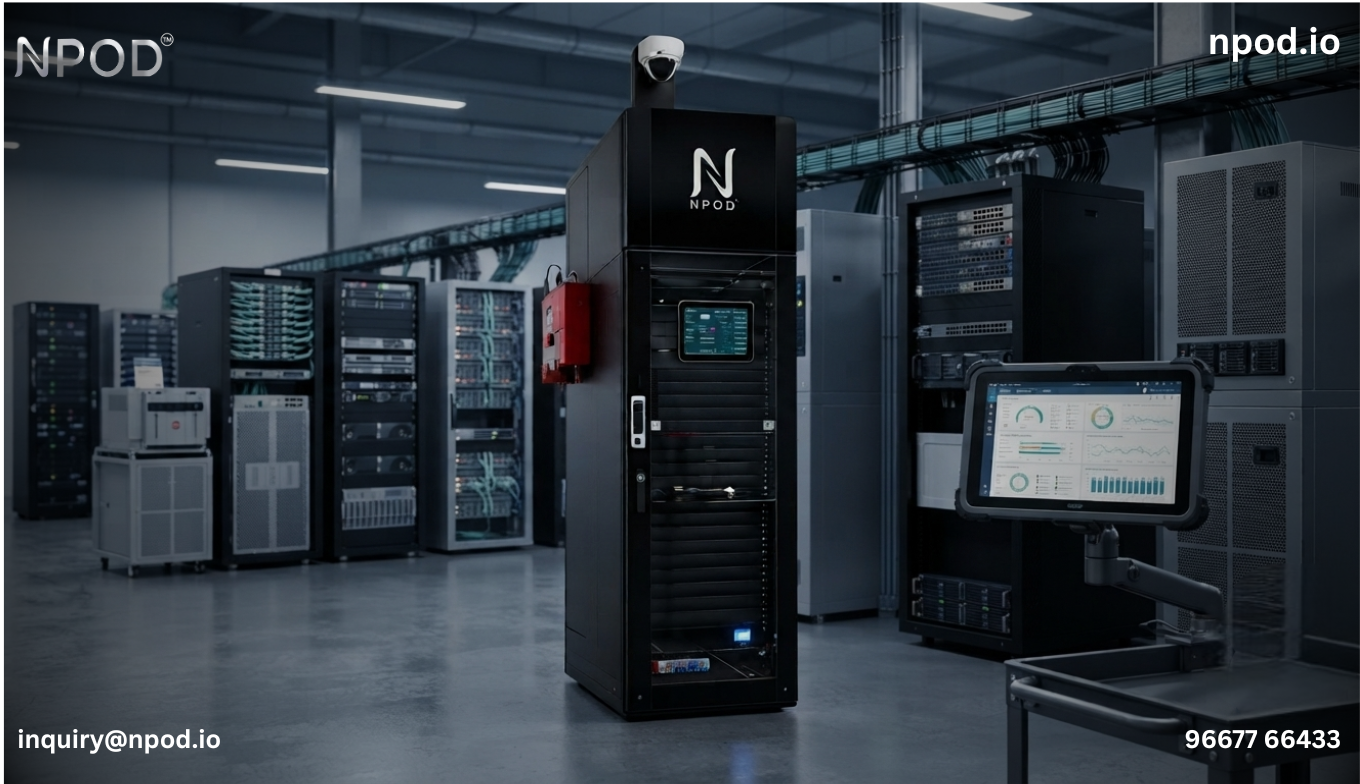
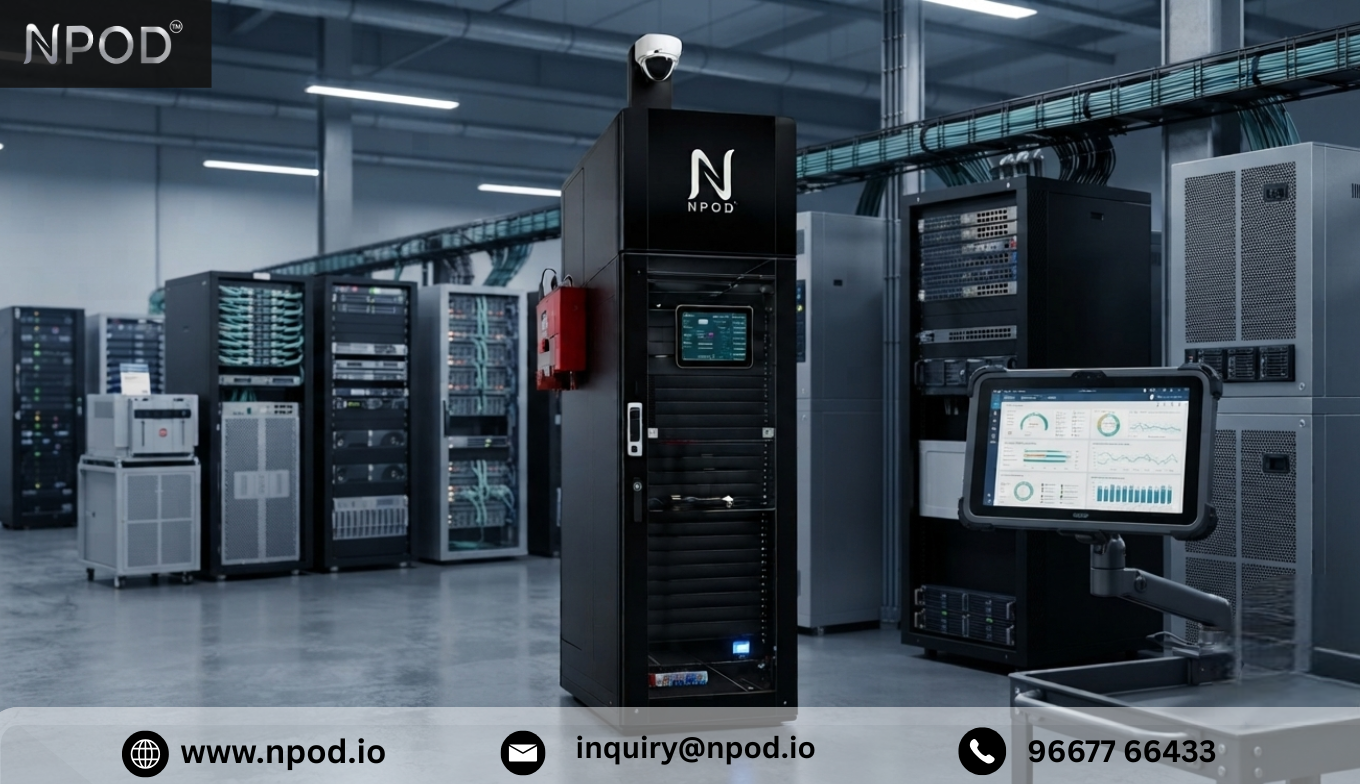
An edge data center provides the physical infrastructure needed to support computing closer to users or data sources.
Depending on the deployment, this may include:
Compute servers
Storage systems
Network equipment
Power protection
Cooling
Physical security
Monitoring and remote management
The infrastructure can vary significantly depending on the workload and location.
A deployment supporting a small remote site may have very different requirements from one supporting an industrial facility or a telecommunications environment.
Edge Computing Is Not Just About Speed
Lower latency is often associated with edge computing, but latency is not the only consideration.
Local infrastructure can also help organizations manage bandwidth and distributed workloads more efficiently.
For example, instead of continuously transferring all raw data to a central environment, a local system may filter, process, or analyze information before forwarding relevant results.
This can change how applications and networks are designed.
However, edge deployments also introduce operational considerations. Distributed infrastructure needs monitoring, security, maintenance, reliable connectivity, and appropriate physical conditions.
Designing for Distributed Infrastructure
Moving computing closer to users does not eliminate the need for careful infrastructure planning.
Organizations need to consider the workload first.
How much computing capacity is required? What type of storage is needed? Does the location have adequate power and cooling? How will equipment be monitored? What happens if the connection to the central environment is temporarily unavailable?
Security also becomes important because infrastructure may be deployed across multiple physical locations rather than inside one controlled facility.
For this reason, edge infrastructure should be treated as part of the organization's wider IT architecture rather than as an isolated technology purchase.
Where Edge Infrastructure Can Make Sense
There isn't one universal use case.
Edge deployments can support environments such as:
Industrial and manufacturing operations
Retail and branch locations
Telecommunications infrastructure
Smart buildings
Connected devices and IoT systems
Remote offices
Real-time monitoring applications
The common factor is that there is some practical reason to place computing closer to the workload.
For organizations exploring this model, companies such as NPOD provide infrastructure approaches focused on edge and distributed data center environments.
The Relationship Between Cloud and Edge
Edge computing doesn't necessarily mean moving away from the cloud.
A more realistic architecture can involve both.
Local infrastructure handles workloads where proximity is important, while centralized cloud or data center environments continue to provide broader storage, analytics, management, and application services.
This hybrid model allows organizations to decide where individual workloads should run based on their technical and operational requirements.
A Shift Toward More Distributed IT
As organizations deploy more connected systems and applications outside traditional data centers, computing infrastructure is becoming more geographically distributed.
Edge computing provides one way to address that change.
The important question isn't simply whether an organization needs an edge deployment. It is which workloads benefit from being closer to the source of data, and what infrastructure is required to support them reliably?
Answering that question first can lead to a more practical and sustainable architecture.
Frequently Asked Questions
What is an edge data center?
It is a data center deployment positioned closer to users, devices, or data sources to support localized computing and distributed workloads.
Does edge computing replace cloud computing?
Not necessarily. Edge and cloud environments can operate together, with workloads placed where their technical requirements are best supported.
Why use edge computing?
Common reasons include reducing network distance for certain workloads, processing data locally, and supporting applications operating in remote or distributed environments.
What should be considered before deploying edge infrastructure?
Organizations should evaluate computing requirements, power, cooling, connectivity, security, monitoring, physical location, and future scalability.