Should Businesses Choose Modular Data Centers Over Traditional Data Centers?
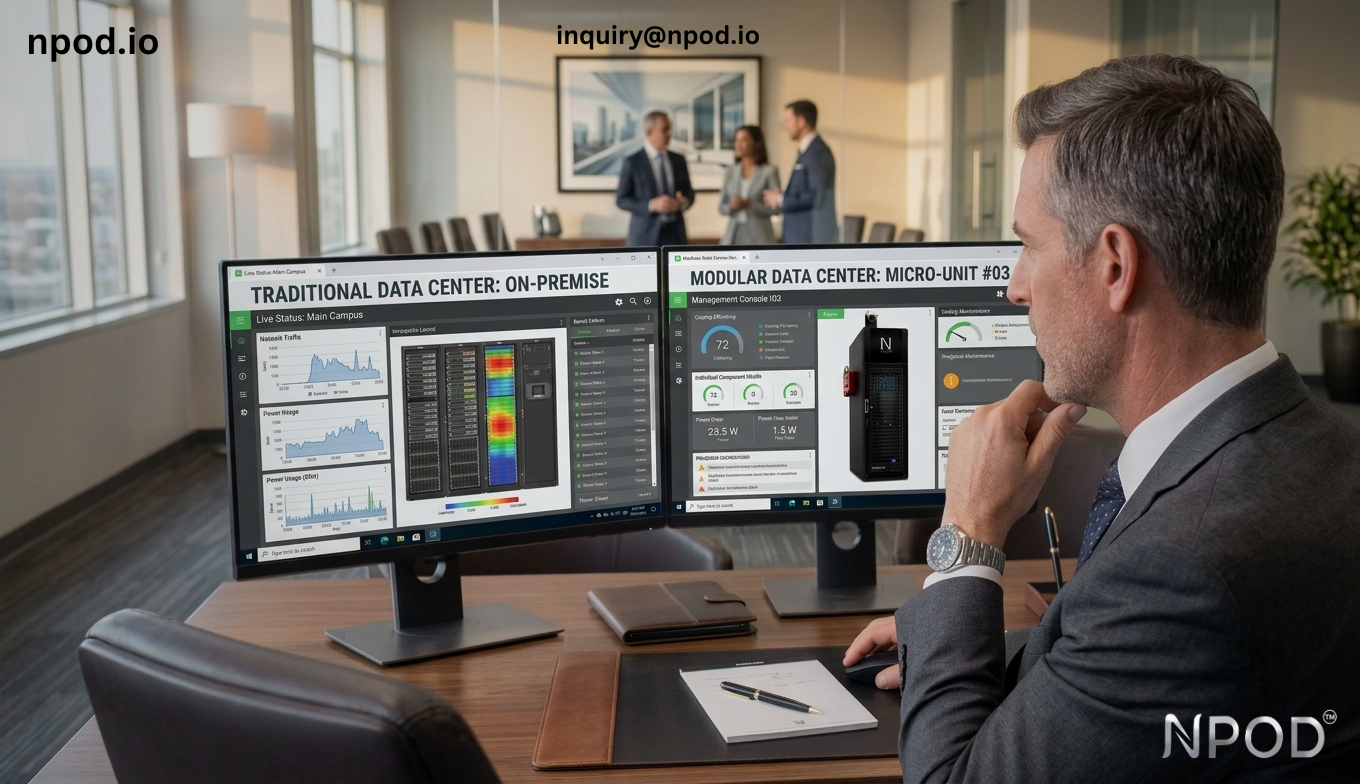
A data center can take months to plan and build, yet a business may discover halfway through the project that its IT requirements have already changed. That creates a difficult question: is it better to build a traditional facility for the future, or deploy a modular data center that can grow as the business does?
There is no single answer. The right choice depends on how quickly capacity is needed, where the infrastructure will be deployed, how much customization is required, and what the business expects its IT environment to look like in the coming years.
What Is a Modular Data Center?
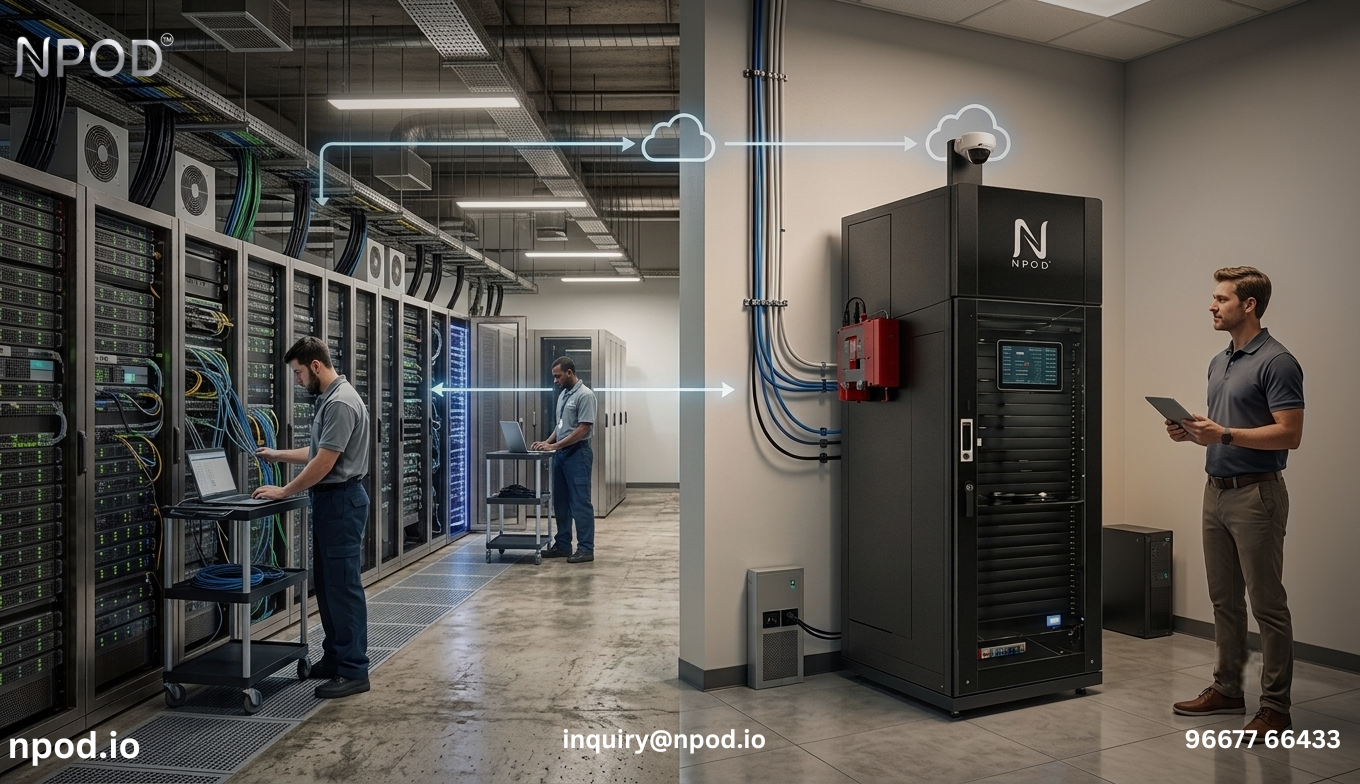
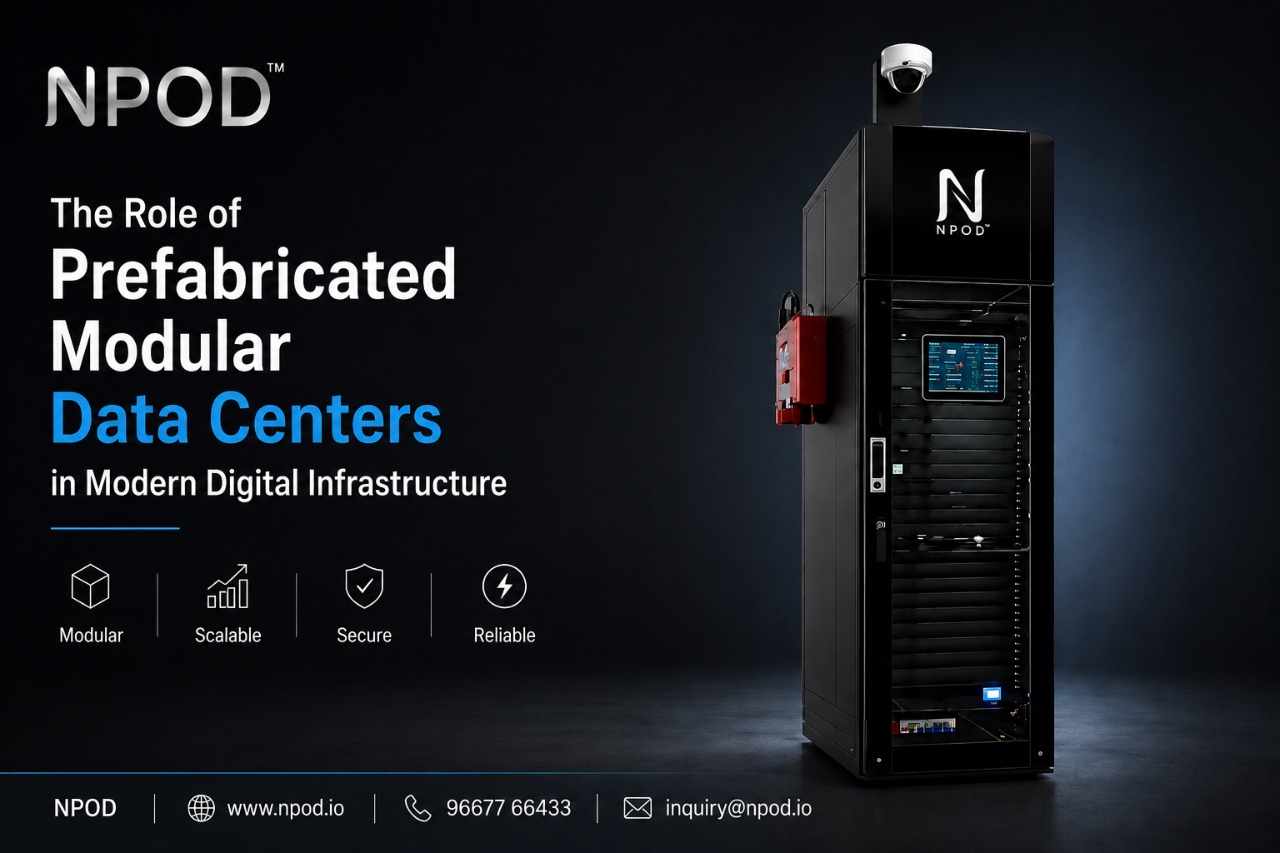
A modular data center is an IT infrastructure system built using standardized modules rather than relying entirely on conventional building construction. Depending on the design, the module may contain racks, power systems, cooling, monitoring, security and other infrastructure needed to operate IT equipment.
This approach can reduce the amount of work that needs to be completed at the deployment site. Some components can be assembled or integrated before they reach the location.
A modular data center container takes this concept further by placing data center infrastructure inside a containerized structure. These systems can be useful for remote sites, temporary deployments, edge locations and situations where constructing a permanent facility would be difficult.
Where Modular Data Centers Have an Advantage
Faster Deployment
Traditional data centers often require extensive construction, electrical work, mechanical systems, cooling installation and site preparation.
With modular infrastructure, some of this work can be completed before delivery. This can reduce the amount of on-site construction and help businesses bring additional computing capacity online sooner.
For organizations facing a tight deployment schedule, this can be a major consideration.
Easier Capacity Expansion
IT requirements rarely remain fixed.
A company may initially need space for a relatively small number of servers but expect its computing requirements to increase over the next few years. Building the entire future capacity from day one can leave expensive infrastructure unused.
A modular approach can allow businesses to add capacity in stages. Instead of building a much larger facility immediately, additional modules can be considered when demand actually increases.
Useful for Distributed Locations
Not every business needs all its computing infrastructure in one large facility.
Retail chains, manufacturing plants, telecom networks, healthcare organizations and other distributed operations may need computing resources closer to their locations. Building a conventional data center at every site may not be practical.
A modular or containerized deployment can provide an alternative where space, construction time or location creates challenges.
When a Traditional Data Center May Be Better
Modular infrastructure isn't automatically the better option.
A traditional data center can make more sense for businesses that need a large, permanent facility and already have a clear understanding of their long-term requirements.
Greater Customization
Purpose-built facilities provide considerable freedom over the building layout and infrastructure.
Businesses with unusual power requirements, specialized cooling needs, strict security requirements or large-scale expansion plans may benefit from designing the facility specifically around those needs.
A modular solution can also be customized, but standardized designs may not always provide the same level of flexibility as a building designed from the ground up.
Large, Long-Term Deployments
If a company expects to operate a large data center at the same location for many years, traditional construction may be worth considering.
The larger the deployment becomes, the more important factors such as building design, mechanical infrastructure, electrical distribution, maintenance access and future expansion planning become.
The decision should therefore be based on the complete project rather than simply choosing the newer approach.
Comparing Modular Data Center Cost With Traditional Construction
Cost is often one of the biggest factors in the decision, but comparing only the initial equipment price can give a misleading picture.
Modular data center cost may include:
Module or container cost
Server racks and infrastructure
Power distribution
Cooling systems
Transportation
Site preparation
Installation
Networking
Security and monitoring
Traditional construction also involves several expenses, including land development, building construction, electrical systems, cooling infrastructure, fire protection and other mechanical requirements.
For this reason, businesses should compare the total project cost and expected operating costs, rather than comparing the purchase price of a modular unit with the construction cost of a building.
A modular solution may reduce certain construction expenses while introducing other costs, such as transportation or specialized site preparation. The actual economics depend heavily on the project.
Modular Data Center Container vs Purpose-Built Facility
A containerized system can be particularly useful when the priority is getting computing capacity into a specific location without constructing a complete building.
For example, a remote industrial site may need local computing resources but lack the infrastructure or timeline required for a conventional data center. A modular data center container could provide a more practical deployment model.
However, containerized infrastructure isn't suitable for every environment. Space limitations, environmental conditions, cooling requirements, local regulations and future expansion plans should all be evaluated before choosing this approach.
Which Option Should a Business Choose?
The decision becomes easier when the project is evaluated against a few practical questions.
Consider a Modular Data Center If:
Capacity is needed relatively quickly.
IT requirements are expected to grow gradually.
The deployment is remote or distributed.
Reducing on-site construction is important.
A standardized infrastructure approach fits the requirements.
The business wants to add capacity in stages.
Consider Traditional Construction If:
A large permanent facility is required.
Long-term capacity requirements are already well understood.
Highly customized infrastructure is necessary.
There is sufficient time for conventional construction.
The site can support a purpose-built facility.
The project requires extensive building-level customization.
The Bottom Line
The question isn't simply whether modular data centers are better than traditional data centers. The better question is which approach fits the business's actual requirements.
A modular data center can be a practical option when speed, phased expansion and deployment flexibility matter. A traditional facility may be the stronger choice when a business needs a large, permanent and highly customized environment.
Before making a decision, businesses should compare deployment time, capacity requirements, site conditions, modular data center cost, customization needs and long-term operating requirements. Looking at all of these factors gives a much clearer picture than comparing the two options based on construction method alone.