Do You Really Need a Full Data Center? A Micro Rack May Be Enough
Do You Really Need a Full Data Center? A Micro Rack May Be Enough
Building a full data center for a small IT setup can be like renting a warehouse to store a few boxes. You get plenty of space, but you may end up paying for much more than you actually need.
Many businesses need servers at branch offices, factories, clinics, retail locations, or remote sites. However, they may only have a handful of servers to manage. In such cases, a micro data center rack can provide a practical way to keep IT equipment powered, cooled, monitored, and protected without building an entire data center.
The real question is not whether a micro setup is better than a full facility. It is whether it can handle what the business actually needs.
What Is a Micro Data Center Rack?
A regular server rack mainly gives IT equipment a place to sit.
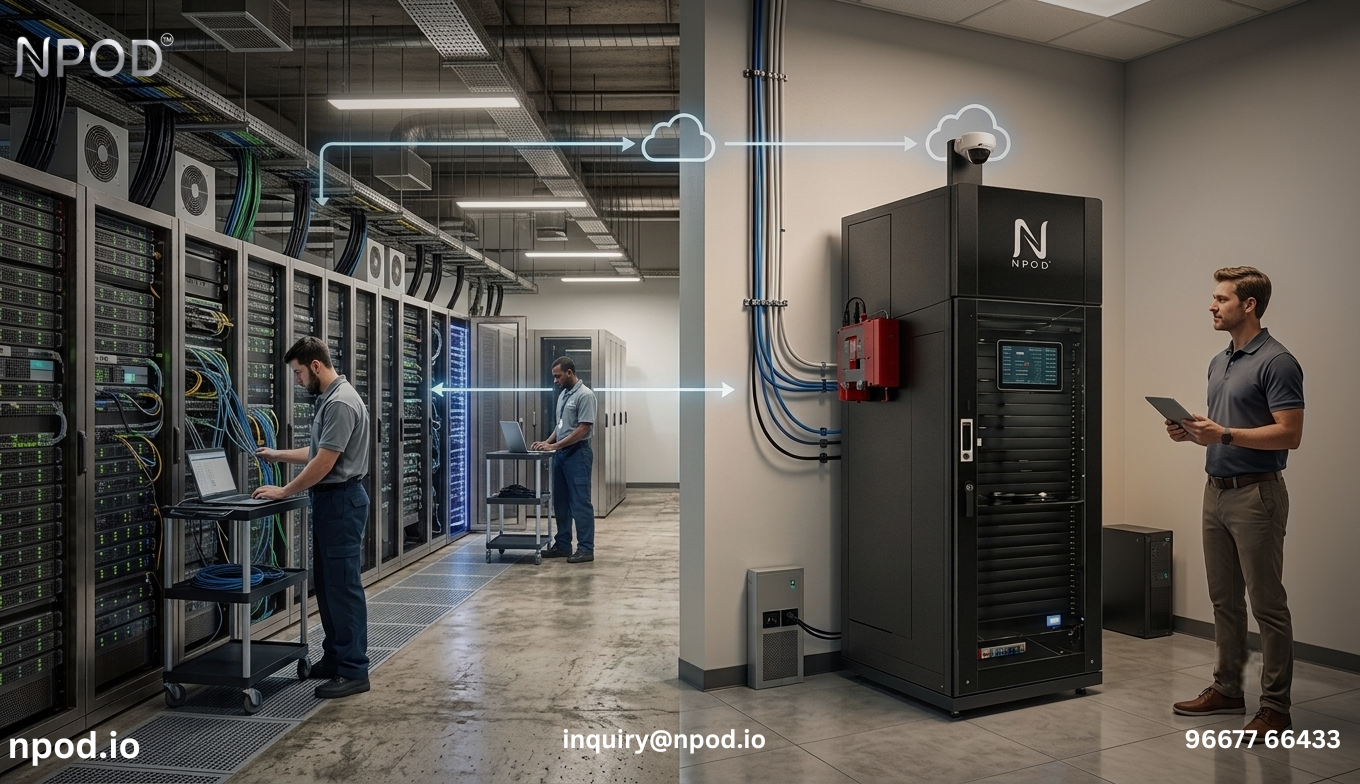
A micro data center rack is more complete. Depending on the deployment, it can bring several supporting systems together in one compact setup, including:
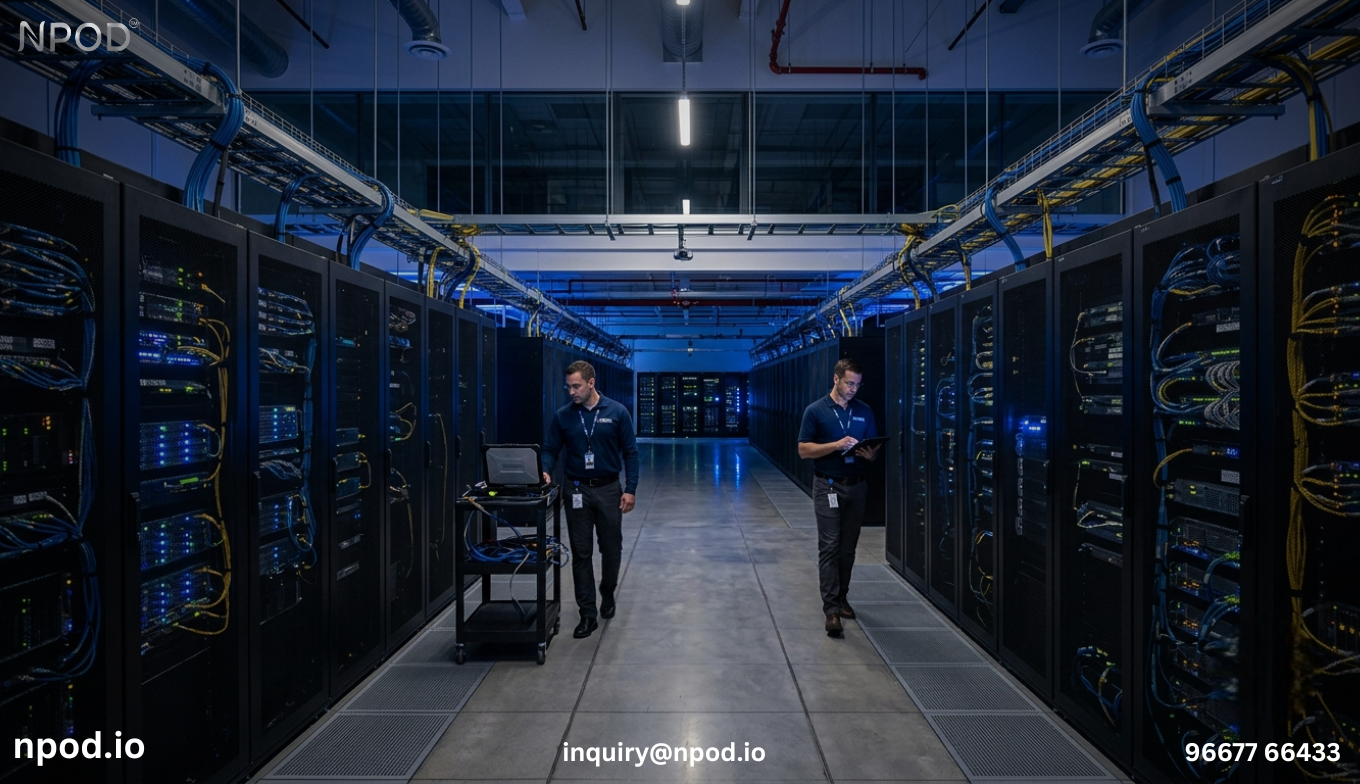
Servers and storage Network switches UPS and power distribution Cooling Environmental monitoring Physical access controls Fire detection or suppression
The exact configuration depends on the equipment and location. A rack installed inside a controlled office environment may have very different requirements from one placed in a factory, warehouse, or remote facility.
Why Would a Business Use One?
The reason is fairly straightforward: the business needs local IT infrastructure but does not need an entire data center.
Take a manufacturing company with a production facility away from its main office. Some applications may need local servers to process or access data close to the production floor. Moving everything to a central facility may not be practical for every workload.
A compact data center setup can give that location its own computing and networking infrastructure without taking over a large part of the building.
The same approach can work for branch offices, retail stores, healthcare facilities, telecom sites, and other locations where IT equipment needs to operate locally.
What Can Fit Inside a Micro Data Center Rack?
The equipment inside depends on the project, but a properly planned rack can handle more than just servers.
Servers and Networking Equipment
This is where the actual computing and networking hardware is installed. The number and type of devices will determine how much rack space and power capacity are needed.
UPS and Power Distribution
Servers need consistent power to operate properly. A UPS can provide backup power during an interruption and help protect connected equipment from certain power problems.
Power distribution equipment then delivers power to the installed devices in an organized way.
Cooling
Servers produce heat, even when everything is working normally. If that heat is not removed properly, equipment can become unreliable or shut down.
A lightly loaded office rack may have modest cooling needs. A rack packed with high-performance servers can be a very different story and may need dedicated cooling.
Monitoring
Monitoring can keep track of conditions such as temperature, humidity, power status, and equipment health.
This is particularly useful at remote sites where an IT employee may not be physically present to check the rack every day.
Security and Fire Protection
A micro data center can also include physical security measures to control who can access the equipment. Depending on the site, fire detection and suppression may also be part of the design.
When Does a Micro Data Center Rack Make Sense?
There are several situations where a compact setup can be a sensible choice.
Branch Offices
A branch office may need local servers, storage, or networking equipment without having enough IT infrastructure to justify a dedicated server room.
A compact rack can keep everything in one controlled location while using much less space.
Manufacturing Sites
Factories often rely on local computing and networking systems. Keeping certain workloads close to production equipment can reduce dependence on a distant data center.
Healthcare Facilities
Smaller healthcare facilities may have limited space but still need reliable IT infrastructure for applications, storage, and networking.
A compact setup can help keep this equipment organized without dedicating an entire room to it.
Retail Locations
Retail businesses operating across multiple locations may need some local computing equipment at each site.
Using a consistent compact setup can make it easier to organize and protect that equipment across different locations.
Remote and Edge Locations
Some applications need computing resources close to where data is generated or used. This is one reason micro data centers are often considered for edge deployments.
Instead of sending every piece of data to a distant facility, some processing can happen closer to the users or devices producing the data.
When Is a Micro Data Center Rack Not Enough?
A compact rack is not the answer to every infrastructure requirement.
A business may need something larger when it has a large number of servers, multiple racks, high power requirements, high-density computing equipment, extensive redundancy requirements, or significant storage needs.
Future growth also matters.
For example, if a company knows that it will need several additional racks within the next year or two, starting with a single compact rack may only delay the larger infrastructure decision.
The same applies when the site requires substantial cooling, power infrastructure, or physical space that cannot reasonably be provided within a compact installation.
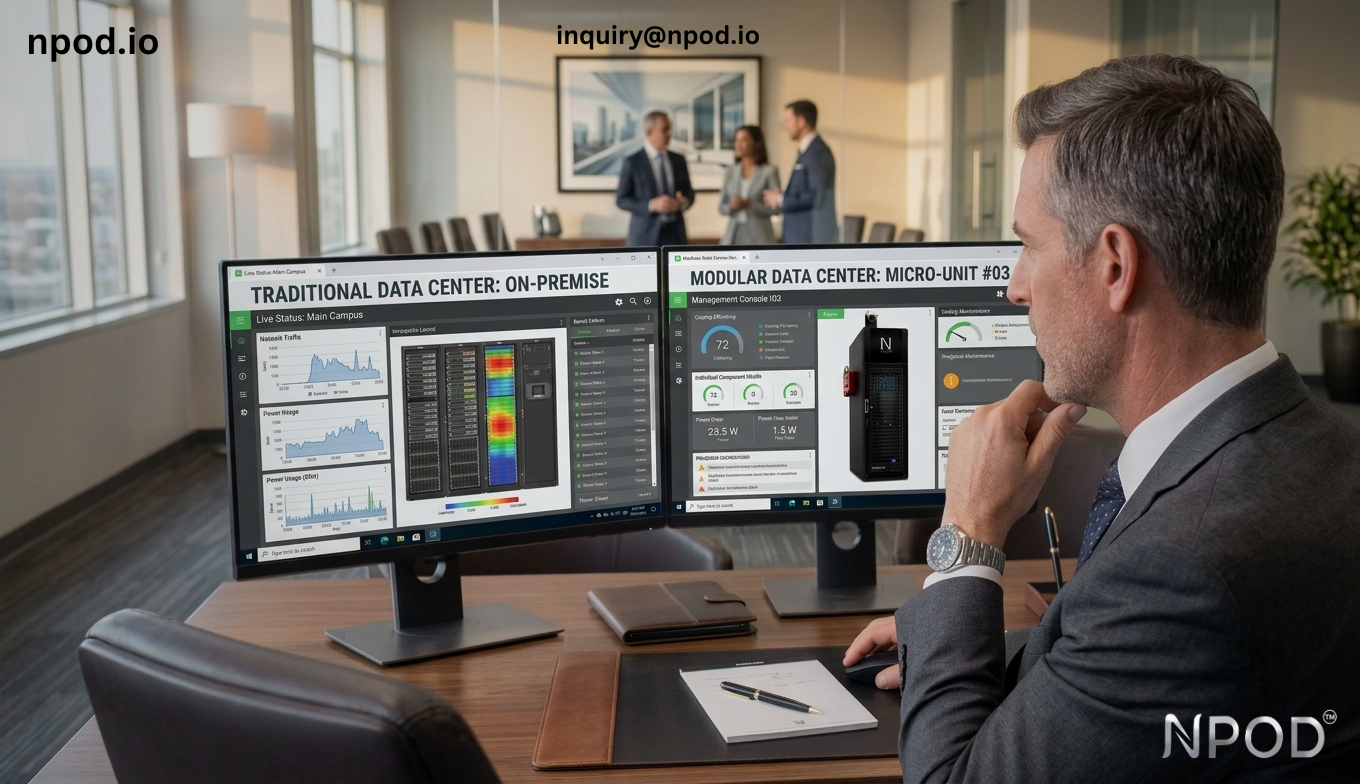
Micro Data Center Rack or Traditional Server Room?
The choice becomes easier when you look at how the IT environment will actually operate.
A micro data center rack is generally a better fit when the equipment footprint is small, space is limited, or the infrastructure needs to be deployed across multiple locations. It can bring power, cooling, monitoring, and security closer to the IT equipment without requiring a large room.
A traditional server room, on the other hand, gives you more room to work with. It can make more sense when there are several racks, a larger IT team, extensive cabling, or plans to keep adding equipment over time.
There is also a difference in how expansion is handled. With a compact rack, growth is limited by the available rack space, power, and cooling capacity. A properly planned server room can provide more room for additional equipment and future changes.
So the decision should not come down to choosing the newer or more compact option. It should come down to the size of the workload, the location, and how much the environment is expected to grow.
What Should You Check Before Choosing One?
Before selecting a micro data center rack, look beyond the number of rack units available.
Calculate the IT Load
List every server, storage system, switch, and other device that will be installed.
Do not only calculate today's requirements. Think about realistic growth over the next few years.
Check Power Requirements
Find out how much power the equipment requires and determine how much backup capacity is needed.
A rack that has enough physical space but cannot support the required power load is not going to solve the problem.
Look at the Site Conditions
Temperature, humidity, dust, electrical supply, network connectivity, and physical security can all affect the design.
This becomes particularly important when the rack will be placed outside a conventional IT room.
Plan the Cooling
Do not estimate cooling requirements based only on rack size.
The amount of heat produced by the installed equipment is what really matters. A small rack with high-performance hardware can produce more heat than a larger rack with lightly loaded equipment.
Think About Maintenance
If the rack is going into a remote location, consider how it will be monitored and serviced.
Remote monitoring can help identify problems early, but someone still needs to be available to handle physical maintenance when required.
Leave Room for Sensible Growth
Buying exactly enough capacity for today's equipment may create problems later.
At the same time, buying far more infrastructure than the business is likely to use can unnecessarily increase the project cost. The goal is to leave enough room for realistic growth without overbuilding.
Where NPOD Fits In
For a business that needs a compact IT setup but does not want to manage each infrastructure component separately, having power, cooling, monitoring, and security considered as part of the same deployment can make planning easier.
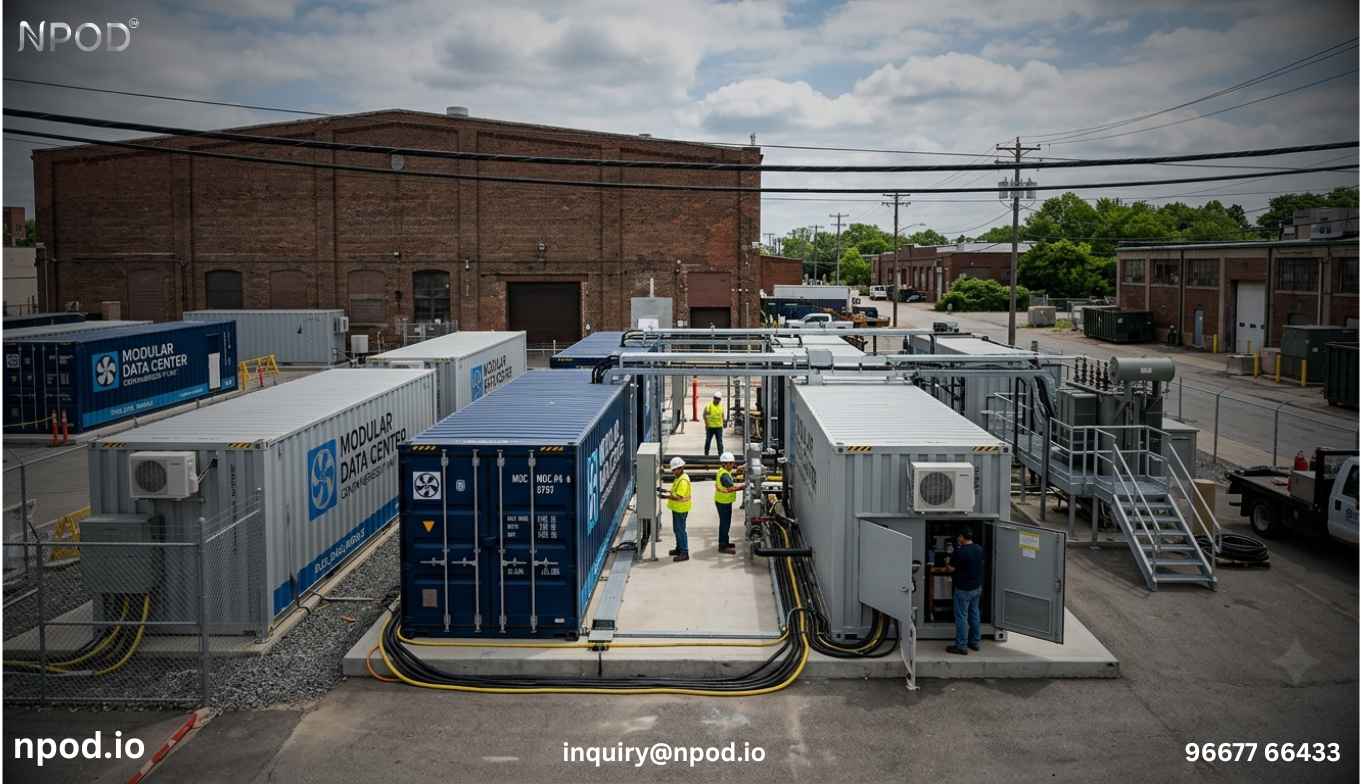
NPOD works with this type of requirement through its micro data center solutions, which can be used for environments such as branch offices, remote facilities, and edge locations. The idea is to plan the rack around the actual site rather than simply placing servers inside a cabinet.
That can be useful when space is limited or when building a conventional server room is not practical. The final setup still needs to match the equipment, power requirements, site conditions, cooling needs, and expected growth.
The Bottom Line
A business does not always need an entire data center to run its IT infrastructure.
If a site has a limited number of servers and needs a controlled environment for power, cooling, monitoring, and security, a micro data center rack may be enough.
If the workload already requires several racks, high-density computing, major power capacity, or significant expansion, a larger facility may make more sense.
The best place to start is not with the size of the data center. Start with the IT workload, the site, and what the business is likely to need in the next few years.