What Engineers Should Check Before Deploying a Micro Data Center
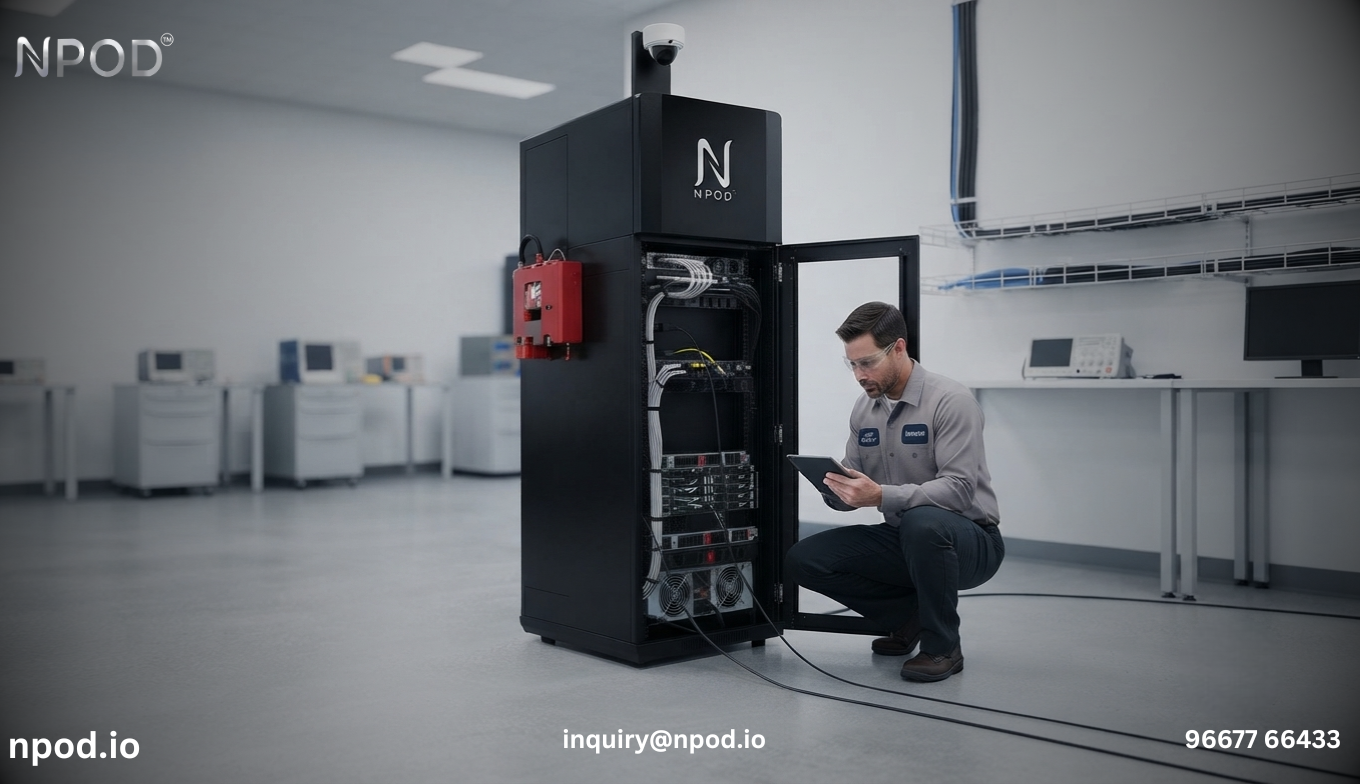
A micro data center can solve a very practical infrastructure problem: putting computing, storage, networking, and supporting equipment closer to where the workload actually exists. But deploying one is not simply a matter of buying a rack and filling it with hardware.
The planning decisions around power, cooling, rack density, connectivity, security, monitoring, and future expansion can determine whether the installation remains useful as requirements change.
For infrastructure teams considering a micro edge data center, the following checks are worth making before deployment.
1. Start With the Workload
The first question should be what the infrastructure needs to support.
An office running a small set of business applications has different requirements from a manufacturing facility processing local data, a retail location supporting connected systems, or a remote site running latency-sensitive applications.
Identify:
Compute requirements
Storage capacity
Network equipment
Expected power consumption
Application availability requirements
Current and future equipment count
This gives the team a realistic baseline instead of designing around an arbitrary rack size.
2. Check Power Availability
Power planning is one of the easiest areas to underestimate.
Before deployment, determine the available electrical capacity at the installation site and compare it with the expected equipment load. The calculation should account for existing infrastructure as well as future expansion.
Power protection also deserves attention. Depending on the environment, the design may need UPS capacity, appropriate distribution equipment, monitoring, and backup power arrangements.
The goal is not simply to keep equipment running today. The infrastructure should have enough operating margin to accommodate normal changes without immediately requiring another redesign.
3. Think About Cooling Before Adding Hardware
Compact infrastructure can concentrate a surprising amount of heat into a small physical area.
Cooling requirements should therefore be considered alongside equipment selection. Review the expected thermal load, ambient conditions, airflow, available cooling systems, and environmental constraints at the proposed location.
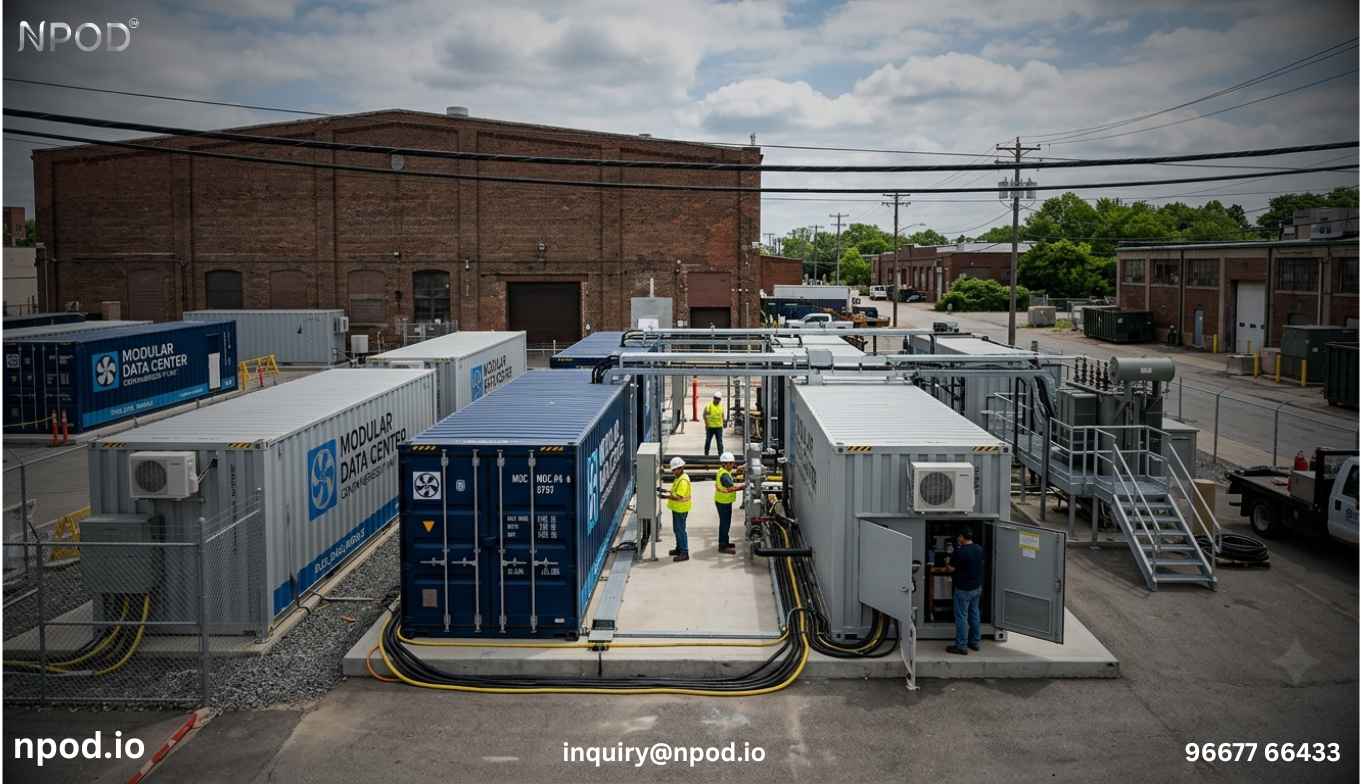
For remote or non-traditional deployment sites, this becomes particularly important. A technically suitable rack can still become an operational problem if the surrounding environment cannot consistently support the required temperature and airflow conditions.
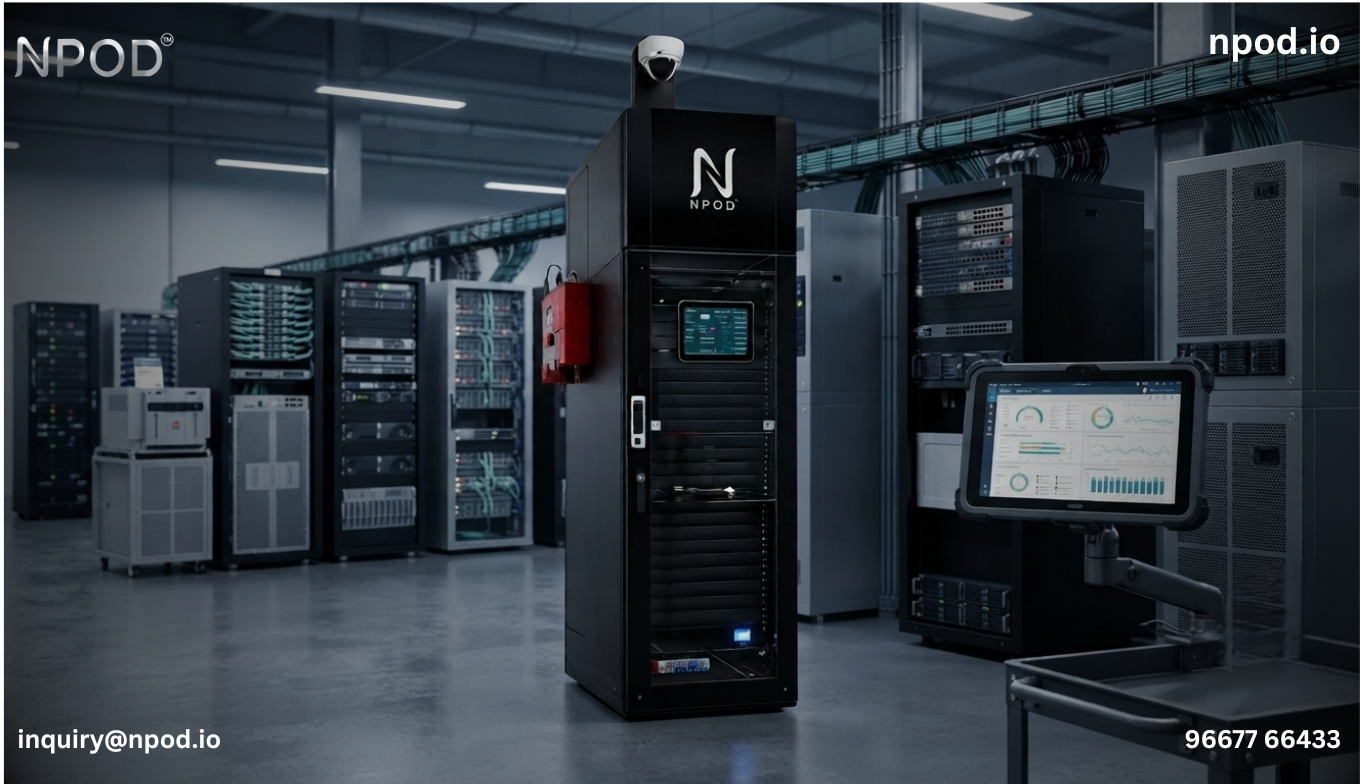
4. Plan the Micro Data Center Rack Around Density
A micro data center rack should not be planned only according to how many rack units are available.
Consider:
Server dimensions
Network equipment
Storage systems
Power distribution
Cable management
Cooling requirements
Empty capacity for future equipment
Leaving some usable capacity can be more practical than designing a cabinet that is completely full on day one.
It also makes maintenance and future upgrades easier.
5. Evaluate Connectivity
A localized data center still depends heavily on reliable network connectivity.
Determine how the site will connect to central infrastructure, cloud platforms, branch locations, or external networks. Consider bandwidth, redundancy, latency, routing, and the consequences of a connectivity failure.
For edge deployments, network architecture should be considered part of the infrastructure design rather than treated as an installation detail.
6. Include Physical and Remote Security
Security requirements don't disappear because the infrastructure footprint is small.
The deployment location should be assessed for physical access, environmental exposure, equipment protection, and monitoring requirements. Where infrastructure is deployed outside a traditional data center, controlled access can become particularly important.
Remote monitoring can also help infrastructure teams observe equipment conditions without requiring someone to be physically present at the site.
7. Understand What Drives Micro Data Center Cost
The phrase micro data center cost can be misleading if it is treated as the price of a cabinet alone.
The overall budget can involve:
IT equipment
Rack or enclosure
Power infrastructure
UPS
Cooling
Networking
Security
Monitoring
Installation
Connectivity
Ongoing maintenance
The right comparison is therefore the cost of operating the complete infrastructure over its expected lifecycle, not simply the initial hardware purchase.
8. Leave Room for Growth
One reason organizations consider micro data centers is that they need infrastructure in locations where a conventional facility would be impractical.
That makes scalability important.
Before deployment, establish what happens if the workload grows. Can additional compute or storage be added? Is there enough power and cooling capacity? Can networking be expanded without replacing the entire installation?
A little planning at the beginning can prevent an expensive infrastructure change later.
Common Planning Mistakes
Several problems can usually be avoided with a more complete assessment:
Choosing the rack before understanding the workload
Ignoring available electrical capacity
Treating cooling as an afterthought
Filling all available rack space immediately
Underestimating network dependencies
Forgetting remote monitoring
Calculating only the initial purchase price
Leaving no capacity for expansion
These issues are not unique to large data centers. They can become even more visible in compact deployments because resources and physical space are limited.
A Practical Pre-Deployment Checklist
Before approving a micro data center deployment, the infrastructure team should be able to answer:
What workloads will run locally?
How much power will the equipment require?
How will heat be managed?
How much rack space is needed now?
What equipment may be added later?
How will the site connect to the wider network?
How will physical access be controlled?
How will equipment be monitored remotely?
What happens if power or connectivity fails?
What is the expected total infrastructure cost?
If these questions have clear answers, the deployment discussion becomes much more concrete.
Final Thoughts
A micro data center is most useful when its physical design matches the workload, environment, and operational requirements of the location. The rack itself is only one part of that equation.
For infrastructure teams, careful planning around power, cooling, connectivity, security, density, and expansion can make a localized deployment considerably easier to operate over time.
FAQs
What is a micro edge data center?
It is a compact data center deployment designed to provide computing and related infrastructure closer to the location where workloads or users need it.
What affects micro data center cost?
Equipment, enclosure, power, cooling, networking, security, monitoring, installation, connectivity, and ongoing maintenance can all contribute to the total cost.
How should a micro data center rack be planned?
Plan around actual equipment requirements, power and thermal density, cable management, maintenance access, and expected future expansion rather than rack capacity alone.